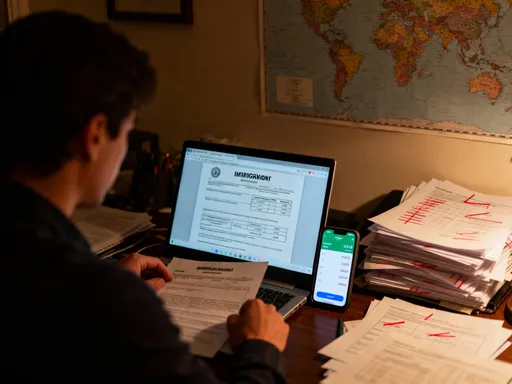
From Bill-Paying Stress to Peace of Mind: How Tech Gave Me Back My Evenings
Life used to hit a wall every month when the bills arrived—stacks of envelopes, missed due dates, and that nagging worry about overspending. I felt trapped in a cycle I couldn’t control. Then I discovered simple tools that didn’t just organize my payments—they reshaped my relationship with money. No more late fees, no more anxiety. Just clarity, freedom, and time to focus on what truly matters. This isn’t about budgeting like an accountant; it’s about living with ease. And if you’ve ever sat at the kitchen table with a cold cup of coffee, surrounded by unopened envelopes, wondering how it all got so messy—this is for you.
The Monthly Chaos That Felt Impossible to Escape
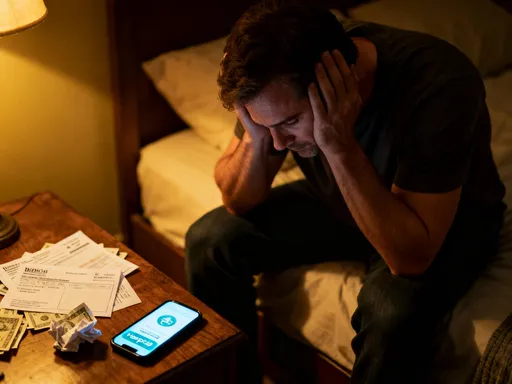
There was a time when the last week of every month filled me with dread. Not because I didn’t have the money—but because the process of paying bills felt like a full-time job I never signed up for. Envelopes piled up on the counter: electricity, internet, water, car insurance, the gym membership I barely used. I’d tell myself I’d deal with them after dinner, but then the kids needed help with homework, or the dog needed a walk, or I was just too tired to think. So the stack grew, and with it, the guilt.
I wasn’t careless. I wasn’t irresponsible. I was just using a system that belonged to another era. We live in a world where we can order groceries, book vacations, and video-call loved ones across the globe with a tap—but I was still relying on paper bills, manual checks, and memory. And memory, as we all know, is unreliable. I’d forget a due date, get hit with a late fee, and feel like I’d failed. Not just financially—but personally. It wasn’t just about the money; it was about feeling like I was constantly behind, like I couldn’t keep up with the basics of adulting.
Have you ever canceled a small pleasure—like a coffee out or a book you wanted—just because you weren’t sure how much was left in the checking account? I did. All the time. The mental load was exhausting. I wasn’t just managing money; I was managing fear. Fear of overdrafts, fear of arguments, fear of looking at the numbers and realizing I didn’t know where it all went. That’s when I realized: this wasn’t sustainable. I needed a change. Not a big, dramatic overhaul—but something simple, something that could fit into the life I already had.
Discovering the Right Tools Wasn’t About Budgeting—It Was About Living
I used to think personal finance meant spreadsheets. Rows and columns, color-coded categories, formulas that made my eyes cross. I tried them. I really did. But they felt like homework. And when something feels like homework, you avoid it. That’s when I started asking myself: what if technology could do the heavy lifting? Not to make me into someone I’m not—but to support the person I already am?
A friend mentioned offhand that she hadn’t written a check in over a year. I assumed she had a personal assistant or a financial advisor. But no—she just used a few apps that linked to her bank. She set them up once, and now they worked quietly in the background. She could see all her bills in one place, get alerts before payments were due, and even track her spending by category. “It’s not about cutting back,” she said. “It’s about knowing what’s going on.” That stuck with me.
So I started exploring. Not extreme budgeting tools, not complex investment platforms—just simple, user-friendly apps designed for real life. I found ones that connected securely to my bank accounts, pulled in my recurring bills, and gave me a clear picture of what was coming up. No more surprises. No more frantic calls to the utility company because I missed a date. Just a clean, calm dashboard that showed me exactly where I stood.
The shift wasn’t instant, but it was real. Within weeks, I stopped dreading the end of the month. Instead of avoiding my finances, I started checking in—just like I’d check the weather or my calendar. And the emotional change was even bigger than the practical one. I felt lighter. More in control. Not because I had more money, but because I had more clarity. That’s when I realized: this wasn’t about budgeting. It was about peace.
How Automation Became My Silent Partner in Financial Calm
The real turning point came when I set up automatic payments. I’ll admit—I was nervous at first. What if I didn’t have enough in the account? What if I forgot to adjust something? But the apps I used had safeguards. They’d send me a reminder a few days before a payment went through, and they’d alert me if my balance was low. So I started small—just the electric and internet bills. Then, one by one, I added the others.
But it wasn’t just about automation. It was about awareness. My electric company’s app started showing me daily usage trends. I could see how much power I used on hot days, or when the kids left lights on in empty rooms. One week, I got a notification: “Your cooling costs are 20% higher than last month.” It wasn’t a threat. It wasn’t a bill. It was just information. And that information gave me power.
I adjusted the thermostat by two degrees. I reminded the kids to turn off lights. And the next month, the bill was lower. That feedback loop—see, adjust, improve—was incredibly satisfying. It turned something that used to feel like a chore into a quiet game of optimization. And over time, those small changes added up. I wasn’t depriving myself. I was just making smarter choices—choices I couldn’t have made without the data.
Automation didn’t make me careless. It made me more intentional. Because I wasn’t spending mental energy on due dates or late fees, I could focus on the bigger picture. I started asking questions like: Are we still using this subscription? Could we switch to a cheaper plan? Could we save more by adjusting our habits? The tools didn’t make decisions for me—but they gave me the space to make better ones.
Seeing the Full Picture: When Spending Patterns Became Personal Insights
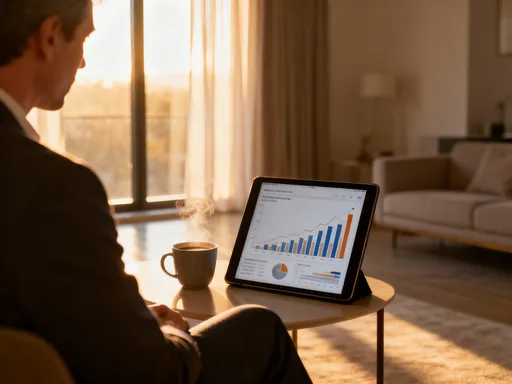
One of the most powerful features of the app I used was the yearly spending chart. It showed all my bills over the past 12 months in a simple, color-coded graph. At first, I just glanced at it. But then I noticed something: every summer, my utilities spiked—not just from air conditioning, but from water usage too.
I dug deeper. The app showed me that my irrigation system was running during the hottest part of the day, which meant more evaporation and higher bills. So I adjusted the timer to run early in the morning. I also started watering less frequently but more deeply, which was better for the lawn anyway. The next month, my water bill dropped by nearly 30%. It wasn’t magic—it was visibility.
That chart didn’t just show numbers. It told a story about my life. It showed how my spending changed with the seasons, with my kids’ schedules, with our family trips. I started to see patterns I’d never noticed before. For example, I realized we were eating out more on nights when I was too tired to cook—usually after a long day of errands or meetings. So I started meal prepping on Sundays. Not perfectly. Not every week. But enough to make a difference.
The data wasn’t judgmental. It didn’t shame me. It simply showed me what was happening. And that made it easier to make changes—without guilt, without pressure. I wasn’t trying to be perfect. I was just trying to be aware. And awareness, I’ve learned, is the first step toward real change.
Gaining Independence—Not Just Savings
One of the most unexpected benefits of this shift was the sense of independence it gave me. I’ll be honest: there was a time when I relied on my partner to handle the big financial decisions. Not because I couldn’t, but because it felt easier to let someone else take the lead. But when he traveled for work, I’d panic. What if a bill came up? What if something went wrong with the account?
Now, I don’t worry. I can log into the app from my phone and see everything—payments scheduled, balances, upcoming bills. I can make adjustments, pause subscriptions, or transfer money if needed. I don’t have to wait for anyone. I don’t have to ask for help. And that’s changed how I see myself. I’m not just a wife or a mom—I’m someone who can manage her own life. That confidence spills over into other areas, too. I speak up more in conversations about money. I make decisions without second-guessing myself. I feel like an equal partner, not just a participant.
And it’s not just about emergencies. It’s about everyday freedom. I can plan a last-minute weekend getaway without wondering if I can afford it. I can say yes to a class I’ve wanted to take. I can treat myself to a massage or a new book without guilt. Because I know where I stand. I’m not living paycheck to paycheck—I’m living with intention. And that’s a kind of wealth no bank statement can measure.
Sharing Control Without Losing It: When Tools Strengthened Family Rhythm
One of my favorite surprises was how these tools brought our family closer. We set up a shared dashboard—just a simple view that everyone could access. Not to spy on each other, but to stay on the same page. Now, when the internet bill comes up, I don’t have to remind my partner. He sees it too. When our teen’s phone data usage spikes, he gets a notification—and he learns to adjust before the bill arrives.
It’s created a new kind of conversation in our home. Instead of “Who forgot to pay the water bill?” it’s “Hey, I noticed the AC’s been running a lot—want to adjust the schedule?” It’s not about blame. It’s about teamwork. And for our kids, it’s been a quiet but powerful lesson in responsibility. They see how choices—like leaving the TV on all day or charging devices overnight—have real costs. But they also see that they can make a difference. That’s empowering.
We even started a little family challenge: who can reduce their personal usage the most each month? The winner gets to pick the movie for family night. It’s silly, but it works. It turns something that used to feel like a burden into a shared mission. And that’s the beauty of it—technology didn’t isolate us. It connected us. It gave us a common language for talking about money, not as a source of stress, but as a tool for living well.
Peace Is the Real ROI: Why This Was Never Just About Money
Today, I don’t think about bills until I want to. That mental space? It’s priceless. I use it to plan weekend trips, read a novel, or just sit quietly with a cup of tea. I’m not saying I never check my accounts—but now, I do it out of curiosity, not fear. I look at the numbers not to punish myself, but to celebrate how far I’ve come.
The freedom I’ve gained isn’t just financial. It’s emotional. It’s psychological. It’s the ability to breathe, to focus on what matters—my family, my health, my joy. Technology didn’t make me richer in dollars, but it made me richer in time, in peace, in confidence. And that’s the quiet revolution no one talks about: when a simple app doesn’t just save you money, but gives you back your life.
If you’re still managing bills the old way—paper, memory, stress—I get it. It’s hard to change. But you don’t have to do it all at once. Start with one bill. Link one account. Set up one alert. See how it feels. You don’t need to become a tech expert. You just need to give yourself the gift of ease. Because you deserve to live with less stress and more joy. And sometimes, the smallest tools bring the biggest changes. This isn’t just about money management. It’s about creating a life that feels light, clear, and truly yours.