Breathe Easier: How Tiny Changes Transformed My Home and Health
Living in a stuffy apartment with constant sniffles and low energy, I didn’t realize how much my environment was dragging me down—until I started making simple, intentional shifts. From swapping out harsh cleaners to bringing in more greenery, each small habit added up to a surprisingly big difference. Clean air, calm vibes, and more energy weren’t magic—they were choices. This is how improving my surroundings reshaped my daily well-being, one realistic step at a time.
The Wake-Up Call: When My Home Started Making Me Feel Sick
For years, I assumed my frequent fatigue, morning congestion, and occasional headaches were just part of adult life. I blamed stress, aging, or not drinking enough water. But when my daughter began waking up with itchy eyes and a persistent cough, I started questioning whether something in our home might be contributing. Our apartment wasn’t dirty—on the contrary, I prided myself on keeping things tidy—but cleanliness doesn’t always mean healthiness. After consulting with a family doctor and researching environmental health, I learned a surprising truth: indoor air can be two to five times more polluted than outdoor air, according to the U.S. Environmental Protection Agency. Common culprits include dust mites, pet dander, mold spores, and volatile organic compounds (VOCs) released from everyday household products. These pollutants don’t always announce themselves with dramatic symptoms, but over time, they can quietly erode immunity, disrupt sleep, and contribute to chronic inflammation.
What struck me most was how invisible these threats could be. I hadn’t considered that the lemon-scented cleaner I used every morning might be off-gassing chemicals linked to respiratory irritation. Or that the new curtains I’d hung last winter could be releasing formaldehyde, a known indoor air contaminant. Poor ventilation only made things worse—trapping these substances in a closed loop we breathed in day after day. My body wasn’t failing me; it was responding to an environment that wasn’t supporting it. That realization was my turning point. I didn’t need a complete overhaul—just a series of mindful, science-backed adjustments to create a home that nurtured rather than drained me. The journey began not with expensive gadgets, but with awareness: my health wasn’t just shaped by what I ate or how much I exercised, but by the very air I inhaled inside my own walls.
Fresh Air Isn’t Optional: How I Upgraded Ventilation (And Why It Matters)
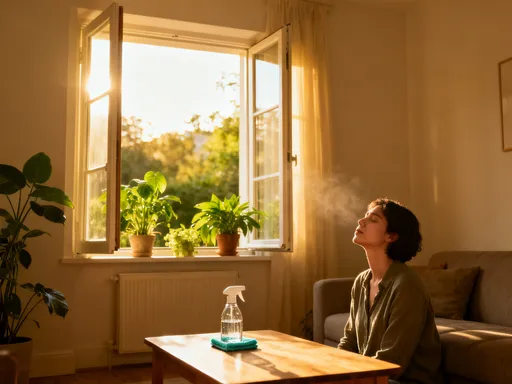
One of the simplest yet most powerful changes I made was prioritizing airflow. I used to keep windows closed year-round, especially in winter, believing it would save on heating. But I now understand that stagnant air accumulates carbon dioxide, allergens, and moisture—creating a breeding ground for mold and making it harder to think clearly. Research shows that elevated CO₂ levels, even at moderate concentrations, can impair cognitive function, reduce concentration, and increase feelings of drowsiness. The solution wasn’t complicated: I began opening windows for at least 10 minutes twice a day, even in cold weather. This practice, known as “cross-ventilation,” involves opening windows on opposite sides of the home to create a natural air current that flushes out stale indoor air.
In addition to daily airing, I started using exhaust fans in the kitchen and bathroom more consistently, especially during and after cooking or showering, to remove excess humidity and airborne particles. I also invested in a basic air quality monitor, which tracks real-time levels of carbon dioxide, temperature, and humidity. Seeing the data made a difference—on days when CO₂ spiked above 1,000 parts per million, I noticed a clear drop in my focus and energy. This feedback loop encouraged me to take action, whether it was stepping outside for fresh air or adjusting my ventilation routine. The device also helped me identify that our bedroom often had high humidity at night, which I addressed by running a small dehumidifier. These changes weren’t about achieving perfection, but about building awareness and consistency. Over time, the habit of checking and improving air flow became second nature—like brushing my teeth or locking the door at night. The result? Fewer headaches, deeper sleep, and a noticeable lift in daytime alertness.
Ditching Toxins: Swapping Chemical Cleaners for Natural Habits
My next step was rethinking how I cleaned. I had always used commercial sprays and wipes, assuming they were the most effective way to disinfect. But I later learned that many contain VOCs like ammonia, chlorine, and phthalates—chemicals linked to respiratory issues, hormonal disruption, and skin irritation. The irony was not lost on me: products marketed as making my home “cleaner” were actually adding toxins to the air I breathed. Inspired by safer alternatives, I began replacing these with natural cleaning solutions. A mixture of white vinegar and water became my go-to for glass and countertops. Baking soda worked wonders on scrubbing sinks and tubs. For floors and surfaces, I switched to castile soap diluted in water—a plant-based, biodegradable option with no synthetic fragrances.
The transition wasn’t about eliminating all store-bought products, but about making informed choices. I started reading labels carefully, avoiding ingredients like “fragrance” (which can hide dozens of undisclosed chemicals), sodium hypochlorite (bleach), and quaternary ammonium compounds (common in disinfectant wipes). Instead, I looked for certifications like EPA Safer Choice or Green Seal, which indicate that a product has been evaluated for human and environmental safety. I also made cleaning sessions shorter and more frequent—15 minutes daily instead of one long weekend scrub—reducing the need for heavy-duty chemicals. Over time, the sharp scents of lemon and pine were replaced with the mild, neutral smells of vinegar and soap. And while I missed the illusion of instant disinfection, I gained something more valuable: peace of mind. My sinuses cleared, my skin became less reactive, and I no longer dreaded cleaning day. It wasn’t just about a cleaner home—it was about creating a space that supported long-term health.
Plants That Work: Adding Nature to Purify and Calm
Bringing plants into my home was both a practical and emotional shift. I had always admired greenery but assumed it was high-maintenance or purely decorative. Then I came across research from NASA’s Clean Air Study, which found that certain houseplants can help remove common indoor pollutants like benzene, formaldehyde, and trichloroethylene. While no single plant can replace proper ventilation or air filtration, they can contribute to improved air quality when used alongside other strategies. More importantly, they introduced a sense of life and calm into my space. Caring for something living became a quiet form of mindfulness—a daily ritual that grounded me.
I started with low-maintenance varieties known for their resilience and air-purifying qualities. The snake plant, for example, releases oxygen at night and thrives on neglect, making it ideal for bedrooms. The peace lily not only filters air but also increases humidity, which helps soothe dry sinuses. I also added a pothos, which grows quickly and can be placed on shelves or hung in baskets, bringing greenery at different eye levels. I positioned plants near windows for natural light but rotated them occasionally to ensure even growth. Watering them became a morning routine—something simple yet satisfying. Beyond air quality, I noticed a psychological shift: my home felt more alive, more peaceful. Studies in environmental psychology support this, showing that exposure to indoor plants can reduce stress, lower blood pressure, and improve mood. For me, they became silent allies in my wellness journey—small, living reminders that health grows from the spaces we nurture.
Light Shapes Mood: How I Fixed My Lighting Habits
Lighting was another invisible force affecting my well-being. I had relied on harsh overhead bulbs, especially in the kitchen and bathroom, not realizing how much they contributed to eye strain and mental fatigue. I also kept the house dim in the evenings, unaware that poor lighting could disrupt my circadian rhythm—the body’s internal clock that regulates sleep and wakefulness. Exposure to bright, cool-toned light during the day helps signal alertness, while warm, dim light in the evening prepares the body for rest. My old setup was sending mixed messages: too little natural light in the morning, too much artificial glare during the day, and insufficient wind-down cues at night.
To correct this, I began maximizing natural daylight by opening curtains and blinds as soon as I woke up. I rearranged furniture to make the most of sunlight, placing my reading chair near the window and clearing clutter from window sills. During the day, I turned off overhead lights and relied on floor and table lamps with warm-white bulbs (2700–3000 Kelvin) to create a softer ambiance. In the evening, I installed smart bulbs that gradually shift from bright white to warm amber as bedtime approaches. I also added a sunrise-simulating alarm clock, which gently brightens the room in the morning, helping me wake up more naturally. These changes had a profound effect: I felt more awake during the day and fell asleep more easily at night. My energy levels stabilized, and I no longer needed to rely on afternoon caffeine to push through the slump. Light, I realized, wasn’t just functional—it was a form of nourishment, as essential as food or air.
Decluttering = Stress-Reducing: The Hidden Link Between Mess and Mindset
The connection between clutter and stress became undeniable once I started paying attention. I used to think a messy countertop or overflowing closet was just an eyesore, but research in environmental psychology shows that visual clutter can overstimulate the brain, making it harder to focus and increasing cortisol levels—the hormone associated with stress. A study published in the journal *Personality and Social Psychology Bulletin* found that women who described their homes as cluttered were more likely to feel fatigued and depressed. I saw this in myself: on days when my space felt chaotic, my thoughts felt scattered. I would forget tasks, feel overwhelmed, and procrastinate more.
Instead of attempting a massive purge, I adopted a gradual approach. I started with one drawer—my kitchen junk drawer—and sorted through every item, keeping only what I used regularly. From there, I moved to one shelf, then one closet. The key was to make it manageable: 10 to 15 minutes a day, with no pressure to finish. I asked myself simple questions: Do I use this? Does it bring me joy? Does it have a designated place? Items that didn’t meet these criteria were donated, recycled, or discarded. I also implemented a “one in, one out” rule: for every new item brought into the home, one old item had to go. Over time, surfaces cleared, storage became more organized, and the home felt more spacious—even though the square footage hadn’t changed. The mental benefits were just as significant. With fewer visual distractions, I felt calmer, more focused, and more in control. Decluttering wasn’t about perfection; it was about creating a space that supported clarity and peace.
Sustaining Change: Making Healthy Environment Habits Stick
Like any lifestyle shift, maintaining these changes required more than motivation—it required strategy. I learned early on that dramatic overhauls often lead to burnout. Instead, I focused on small, repeatable actions that could become automatic over time. One technique that helped was habit stacking—linking a new behavior to an existing one. For example, I began opening the bedroom window while making the bed each morning. I started wiping down the kitchen counter with a vinegar solution right after breakfast. I watered my plants while drinking my morning coffee. These pairings made the new habits easier to remember and integrate.
I also accepted that consistency mattered more than perfection. There were days when I forgot to ventilate, skipped plant care, or let clutter build up. Instead of giving up, I practiced self-compassion and simply resumed the next day. I tracked progress not by flawlessness, but by overall trends—were my energy levels improving? Was my home feeling more peaceful? Over six months, the cumulative effect was undeniable. What began as isolated changes had woven themselves into the fabric of my daily life. I no longer saw these practices as chores, but as acts of self-care. Caring for my environment became a way of honoring my health, a quiet commitment to living with greater intention and awareness.
Your Space, Your Health
Looking back, I realize that my journey wasn’t about creating a flawless home—it was about creating a healthier one. The shifts I made were small, but their impact was profound. By improving ventilation, reducing chemical exposure, bringing in plants, adjusting lighting, and decluttering, I transformed my living space into a sanctuary that supports my well-being. These changes didn’t require expensive renovations or extreme measures. They required attention, consistency, and a willingness to see my home not just as a place to live, but as a partner in my health.
Health is often reduced to diet and exercise, but it extends far beyond the gym and the grocery store. It lives in the air we breathe, the light we’re exposed to, and the order—or chaos—around us. When we care for our environment, we send a message to ourselves: I am worth breathing clean air. I am worth clear surfaces. I am worth calm and comfort. These tiny changes didn’t just transform my home—they transformed how I feel in it. And that, more than anything, is the foundation of lasting well-being.