How I Stayed Strong and Steady Through Menopause—My Real Exercise Journey
Menopause doesn’t have to mean slowing down. In fact, it can be a powerful time to rebuild strength, energy, and confidence. I used to feel tired, achy, and out of sync—until I discovered how the right movement changed everything. This isn’t about intense workouts or quick fixes. It’s about consistent, smart exercise that supports your changing body. Here’s what actually worked for me, backed by science and real-life experience. What began as a personal struggle with fatigue, weight shifts, and low motivation turned into a journey of resilience. With each small step, I regained not just physical strength but emotional balance. This is not a story of perfection, but of persistence—and how rethinking exercise during menopause transformed my health for good.
Understanding Menopause and the Body’s Shift
Menopause marks a natural transition in a woman’s life, typically occurring between the ages of 45 and 55. It is defined as the point when menstrual cycles have permanently stopped for 12 consecutive months. Leading up to this phase—known as perimenopause—hormonal fluctuations, especially in estrogen and progesterone, begin to shift bodily functions in profound ways. These hormonal changes are not just about hot flashes or irregular periods; they affect metabolism, muscle composition, joint health, and energy regulation. As estrogen declines, the body’s ability to maintain lean muscle mass diminishes, metabolism slows by approximately 5% per decade after age 30, and fat distribution often shifts toward the abdominal area.
Many women notice they gain weight more easily during this time, even without changes in diet or activity. This is not due to lack of willpower, but rather a biological adaptation. Lower estrogen levels influence insulin sensitivity and fat storage, making the midsection a common site for new fat deposits. Additionally, joint stiffness and muscle soreness become more frequent, partly because estrogen plays a role in maintaining connective tissue and joint lubrication. These changes can lead to reduced mobility, making daily activities feel more taxing. Sleep disruptions, often caused by night sweats or hormonal imbalances, further contribute to fatigue and low motivation for physical activity.
Despite these challenges, it’s important to recognize that these shifts are normal and not a sign of decline. They are part of a natural life stage, not a medical condition requiring correction. However, they do signal the need for a more intentional approach to health. The body is not broken—it is adapting. With the right support, particularly through movement, women can navigate this transition with strength and vitality. Understanding these physiological changes is the first step toward empowerment. When you know why your body feels different, you can make informed choices that align with its current needs, rather than fighting against it.
Why Exercise Matters More Than Ever
During menopause, exercise becomes one of the most powerful tools for maintaining overall health. Research consistently shows that regular physical activity helps regulate mood, improve sleep quality, and support cardiovascular and bone health—all areas significantly impacted by hormonal changes. For example, studies published in the Journal of Clinical Endocrinology & Metabolism indicate that women who engage in moderate exercise report fewer hot flashes and improved emotional well-being. Physical activity stimulates the release of endorphins and serotonin, neurotransmitters that naturally elevate mood and reduce anxiety and irritability, common emotional symptoms during this phase.
Beyond emotional benefits, exercise plays a critical role in preventing long-term health risks associated with menopause. One of the most significant concerns is bone density loss. As estrogen levels drop, the rate of bone resorption increases, raising the risk of osteoporosis and fractures. Weight-bearing and resistance exercises have been shown to slow this process by stimulating bone formation. The National Osteoporosis Foundation recommends strength training at least two days per week to maintain bone strength. Similarly, heart health becomes more vulnerable during menopause. Cholesterol levels often shift, with LDL (bad cholesterol) rising and HDL (good cholesterol) declining, increasing the risk of cardiovascular disease. Regular aerobic exercise helps manage blood pressure, improve circulation, and maintain healthy lipid profiles.
Perhaps one of the most underappreciated benefits of exercise during menopause is the sense of control it fosters. This life stage can feel unpredictable—moods shift, energy fluctuates, and the body changes in ways that may feel unfamiliar. Engaging in consistent movement provides a grounding routine, a space where women can reconnect with their bodies in a positive way. It shifts the narrative from loss to strength, from helplessness to agency. You may not be able to control hormonal fluctuations, but you can choose how you respond to them. Exercise becomes not just a physical practice, but a form of self-respect and resilience.
The Three Pillars of an Effective Menopause Exercise Plan
An effective exercise strategy during menopause rests on three foundational elements: strength training, cardiovascular activity, and flexibility and mobility work. Each of these components addresses specific physiological needs and together, they create a balanced, sustainable approach to fitness. Strength training is essential for preserving lean muscle mass, which naturally declines with age and accelerated during menopause due to lower estrogen. Muscle is metabolically active tissue—meaning it burns more calories at rest than fat—so maintaining it helps support a healthy metabolism and prevents unwanted weight gain. Resistance exercises also improve insulin sensitivity, reducing the risk of type 2 diabetes, which increases post-menopause.
Cardiovascular exercise, or cardio, supports heart health and endurance. It helps manage body weight, improves circulation, and enhances lung capacity. For many women, low-impact cardio is more sustainable and comfortable than high-intensity workouts, especially when dealing with joint sensitivity or fatigue. Activities like brisk walking, cycling, or swimming elevate the heart rate without placing excessive stress on the joints. Steady-state cardio, performed at a moderate pace for 30 minutes or more, has been shown to improve sleep and reduce anxiety—two common concerns during menopause. Unlike high-intensity interval training (HIIT), which can sometimes increase cortisol levels and disrupt hormonal balance in sensitive individuals, moderate cardio promotes calm and consistency.
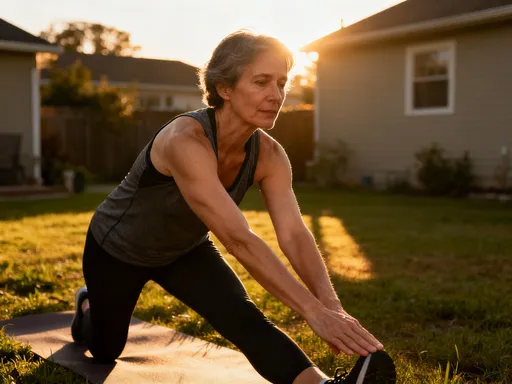
The third pillar—flexibility and mobility—is often overlooked but equally important. As women age, connective tissues lose elasticity, joints stiffen, and posture can deteriorate. Incorporating daily stretching, yoga, or mobility drills helps maintain range of motion, reduces the risk of injury, and improves balance. Good balance is crucial for fall prevention, especially as bone density decreases. Flexibility work also supports relaxation and body awareness, helping women tune into physical sensations and release tension. Together, these three pillars form a holistic system: strength builds resilience, cardio sustains energy, and flexibility ensures longevity. When integrated thoughtfully, they create a routine that adapts to the ebb and flow of daily energy levels, making long-term adherence more achievable.
Building a Realistic Weekly Routine
Creating a sustainable exercise routine during menopause means prioritizing consistency over intensity. A realistic weekly plan should accommodate fluctuating energy levels, busy schedules, and physical limitations without feeling overwhelming. A balanced approach includes 2–3 days of strength training, 2–3 days of low-impact cardiovascular activity, and daily flexibility or mobility practice. Each session can last between 30 and 45 minutes, making it manageable even on hectic days. The key is to start small and build gradually. For example, beginning with just two 20-minute walks per week and one short strength session can lay the foundation for a lasting habit.
Strength training days can focus on major muscle groups—legs, back, chest, core, and arms—using bodyweight exercises, resistance bands, or light dumbbells. A simple routine might include squats, modified push-ups, bent-over rows, and planks, performed in 2–3 sets of 10–15 repetitions. These exercises can be done at home or in a gym, requiring minimal equipment. Cardio days might involve brisk walking, cycling on a stationary bike, swimming, or using an elliptical machine. The goal is to maintain a pace where conversation is possible but slightly challenging, indicating moderate intensity. These sessions can be broken into 10-minute segments if needed—three short walks throughout the day still provide benefits.
Daily mobility work doesn’t require a formal class or long time commitment. Simple practices like shoulder rolls, neck stretches, ankle circles, or a 10-minute evening stretch routine can make a noticeable difference in how the body feels. Many women find it helpful to pair movement with other habits—stretching while watching the evening news, walking after dinner, or doing seated leg lifts during phone calls. Scheduling workouts like appointments, with reminders and designated times, increases the likelihood of follow-through. The goal is not perfection, but progress. Missing a day is not failure—it’s part of the process. What matters most is returning to the routine without self-criticism, honoring the body’s needs each day.
Smart Strength Training for Hormonal Changes
Strength training is one of the most effective forms of exercise during menopause, yet many women avoid it due to misconceptions. A common fear is that lifting weights will lead to bulking up, but this is rarely the case, especially for women over 40. Without high levels of testosterone, it is extremely difficult to build large, bulky muscles. Instead, resistance training leads to improved muscle tone, better posture, and increased metabolic rate. Even a modest increase in muscle mass can enhance daily functioning—making it easier to carry groceries, climb stairs, or play with grandchildren. The benefits extend beyond appearance; stronger muscles support joint stability, reducing pain and improving mobility.
Effective strength training during menopause focuses on proper form, controlled movements, and progressive overload—gradually increasing resistance or repetitions over time. Bodyweight exercises like squats, lunges, glute bridges, and wall push-ups are excellent starting points. These movements engage multiple muscle groups and can be modified to match fitness levels. For example, a squat can be performed with or without support, and lunges can be done stationary or with a small step. Resistance bands are a versatile, low-cost tool that provide adjustable tension and are gentle on joints. They can be used for bicep curls, shoulder presses, or leg abductions. Light dumbbells (3–8 pounds) are also effective for upper body work.
Frequency is important: aiming for two to three strength sessions per week allows muscles time to recover and rebuild. Each session should include exercises for all major muscle groups, with 2–3 sets of 10–15 repetitions per exercise. Rest for 30–60 seconds between sets. Proper breathing—exhaling during exertion and inhaling during release—helps maintain stability and prevent strain. It’s also essential to warm up before and cool down after each session, using dynamic movements like arm circles or leg swings at the start and static stretches at the end. Over time, women often report not only physical changes but a renewed sense of capability. Lifting a heavier band or completing an extra set becomes a quiet victory, a reminder that strength is still growing, even in midlife.
Choosing the Right Cardio—Gentle but Effective
Cardiovascular exercise is essential during menopause, but the type of cardio matters. High-intensity workouts may not be sustainable or beneficial for every woman, especially when dealing with fatigue, joint discomfort, or hormonal fluctuations. Low-impact, steady-state cardio offers a gentler yet highly effective alternative. Activities like brisk walking, cycling, swimming, and using an elliptical machine elevate the heart rate without placing excessive stress on the joints. These forms of exercise are easier on the knees, hips, and spine, making them ideal for long-term consistency. Walking, in particular, is accessible, free, and can be done almost anywhere. Research from the American Heart Association shows that walking 30 minutes a day, five days a week, significantly reduces the risk of heart disease and supports weight management.
Swimming is another excellent option, providing a full-body workout while being completely non-weight-bearing. The buoyancy of water reduces impact, making it ideal for women with arthritis or joint pain. Cycling, whether outdoors or on a stationary bike, strengthens the lower body and improves cardiovascular endurance. The elliptical machine mimics running without the joint strain, offering a smooth, rhythmic motion that many find meditative. These activities also support mental well-being. The repetitive motion and rhythmic breathing can have a calming effect, similar to meditation, helping to reduce stress and improve sleep. Unlike high-intensity interval training, which spikes cortisol levels, moderate cardio promotes hormonal balance and emotional stability.
Consistency is more important than intensity. A 30-minute walk at a comfortable pace five times a week is more beneficial than an hour-long intense workout once a week followed by soreness and burnout. To stay motivated, many women find it helpful to pair cardio with enjoyable activities—listening to podcasts, audiobooks, or music during walks, or joining a walking group for social connection. Scheduling cardio at the same time each day helps build a habit. Morning walks can energize the day, while evening strolls aid digestion and relaxation. The goal is not to push the body to exhaustion, but to move it regularly in a way that feels good. Over time, women often notice increased stamina, better sleep, and a more stable mood—all critical benefits during menopause.
Flexibility, Balance, and Long-Term Resilience
Flexibility and balance are often overlooked in fitness routines, yet they are vital for long-term health and independence. As women age, muscle tightness, joint stiffness, and reduced coordination increase the risk of falls and injuries. Simple activities like reaching for a high shelf, stepping off a curb, or bending down to tie a shoe can become challenging without adequate flexibility and balance. Incorporating daily mobility and stretching practices helps maintain range of motion, prevents muscle imbalances, and supports posture. Yoga, tai chi, and dedicated stretching routines are effective ways to enhance these skills. Even 10 minutes a day can make a meaningful difference in how the body feels and functions.
Stretching should focus on major muscle groups—hamstrings, hips, shoulders, chest, and back—holding each stretch for 20–30 seconds without bouncing. Static stretches are best performed after a workout or when the muscles are warm. Dynamic movements, such as arm swings, leg lifts, or cat-cow stretches, can be done in the morning to wake up the body. Yoga combines stretching with breathwork and balance, promoting both physical and mental calmness. Studies have shown that regular yoga practice reduces perceived stress, improves sleep quality, and enhances body awareness. Poses like child’s pose, downward dog, and seated forward bends are gentle and accessible, even for beginners.
Balance exercises are equally important. Simple drills like standing on one foot, heel-to-toe walking, or using a balance pad can improve stability and coordination. These practices train the nervous system to respond more quickly to changes in position, reducing the risk of falls—a growing concern as bone density declines. Improved balance also enhances confidence in daily activities, allowing women to move through life with greater ease. Beyond the physical, flexibility and balance work foster mindfulness. The focus required to hold a pose or maintain stability brings attention to the present moment, creating a mental pause in a busy day. This mind-body connection supports emotional resilience, helping women navigate the transitions of menopause with greater calm and clarity.
Final Thoughts: Movement as a Lifelong Ally
Menopause is not the end of vitality—it is an invitation to redefine health on new terms. Exercise during this phase is not about chasing youth or achieving a certain look. It is about building strength, stability, and confidence to live fully in the body you have. The journey is not linear; some days will feel easier than others, and that is okay. What matters is showing up with kindness and consistency. Small, regular movements add up over time, creating lasting changes that go beyond the physical. They shape how you feel, how you think, and how you experience life.
This is not a one-size-fits-all path. Every woman’s experience is unique, and routines should be adapted to individual needs, preferences, and health conditions. It is always wise to consult with a healthcare provider before beginning a new exercise program, especially if you have pre-existing conditions like heart disease, osteoporosis, or joint issues. Professional guidance can help tailor a safe and effective plan. Remember, progress is not measured by speed or intensity, but by how you feel—more energy, better sleep, less pain, greater calm.
Movement is not a punishment for aging, but a celebration of what the body can still do. It is a daily promise to yourself: I will care for you. I will listen to you. I will move with you. Menopause may bring change, but it does not have to bring decline. With the right approach to exercise—balanced, thoughtful, and sustainable—it can bring strength, steadiness, and a renewed sense of purpose. This is not the end of an active life. It is the beginning of a wiser, stronger chapter.