Why I Gave Up Strict Diets for the Mediterranean Way — And What Science Says
For years, I chased quick fixes—keto, fasting, low-fat—they left me drained and hungrier. Then I discovered the Mediterranean diet, not as a restriction, but as a lifestyle. It wasn’t about cutting out food groups, but embracing real, flavorful choices. Backed by decades of research, it supports heart health, brain function, and long-term wellness. This isn’t a trend. It’s a shift in how we think about eating. Let’s explore why this way of eating stands out in a world obsessed with dietary rules.
The Problem with Modern Dietary Restrictions
Many women between 30 and 55 have tried at least one popular diet in pursuit of better health or weight control. Low-fat plans promised heart protection, while low-carb regimens like keto gained popularity for rapid weight loss. Elimination diets—cutting out gluten, dairy, or sugar—became common in hopes of reducing bloating or boosting energy. While some produce short-term results, these approaches often fail in the long run. The core issue lies in their restrictive nature: removing entire food groups can lead to nutrient deficiencies, particularly in fiber, essential fatty acids, and key vitamins like B12 and D.
When the body is deprived of balanced nourishment, it responds with increased hunger and cravings. This biological reaction is not a failure of willpower—it’s a survival mechanism. Over time, the cycle of restriction and rebound eating becomes exhausting. Many people report feeling guilty after “cheating,” which fuels an unhealthy relationship with food. This emotional burden can lead to disordered eating patterns, even if not clinically diagnosed. The focus on rules rather than well-being shifts attention away from what truly matters: sustainable, joyful nourishment.
Moreover, rigid diets rarely account for individual lifestyles, cultural preferences, or family needs. A mother juggling work and children cannot realistically maintain a regimen requiring precise macros or exotic ingredients. The pressure to adhere perfectly often leads to burnout. The Mediterranean diet offers a different path—one rooted in tradition, flexibility, and science. Rather than dictating what to avoid, it emphasizes what to include: whole, minimally processed foods that nourish both body and spirit. This model supports long-term adherence because it aligns with real life, not an idealized version of it.
Transitioning from restriction to balance requires a mental shift. Instead of asking, “What can’t I eat?” the question becomes, “What will make me feel strong and energized?” This mindset fosters self-trust and reduces anxiety around food. The Mediterranean approach does not label foods as “good” or “bad.” Instead, it encourages awareness, moderation, and pleasure. Over time, this leads to more consistent, positive habits without the emotional toll of deprivation.
What the Mediterranean Diet Really Is (And Isn’t)
Despite its popularity, the Mediterranean diet is often misunderstood. Some assume it means eating only salads drizzled with olive oil or consuming endless plates of pasta. Others think it requires living near the sea or having access to specialty ingredients. In reality, the Mediterranean diet is not a rigid meal plan but a flexible eating pattern inspired by the traditional diets of countries bordering the Mediterranean Sea, such as Greece, Italy, and Spain. It is not about strict rules but about cultivating a way of eating that is both health-promoting and deeply satisfying.
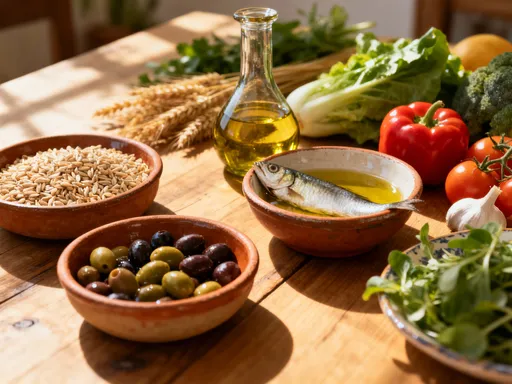
At its core, the diet emphasizes plant-based foods: vegetables, fruits, whole grains, legumes, nuts, and seeds. These form the foundation of daily meals. Healthy fats, particularly extra virgin olive oil, replace butter and processed oils as the primary fat source. Fish and seafood are consumed regularly, at least twice a week, while poultry, eggs, and dairy—especially yogurt and cheese—are eaten in moderation. Red meat appears only occasionally, often in small portions as part of a dish rather than the main event. Herbs and spices are used generously to enhance flavor without relying on salt or sugar.
One of the most important distinctions is the focus on food quality over portion control. While calorie counting may have a place in certain medical contexts, the Mediterranean model prioritizes nutrient density and satiety. A serving of lentil soup with olive oil and vegetables provides lasting energy and fullness, unlike a low-calorie processed meal that leaves one hungry soon after. The rhythm of eating also matters: meals are typically eaten slowly, often in the company of others, which supports digestion and emotional well-being.
Unlike fad diets that promise rapid transformation, the Mediterranean approach does not aim for dramatic short-term results. It is not designed for quick weight loss but for long-term health. It avoids labeling foods as forbidden, which reduces the psychological burden of dieting. There is room for a piece of dark chocolate, a glass of red wine with dinner, or a homemade dessert on special occasions. This flexibility makes it easier to maintain over time, especially in social settings where food is part of connection and celebration.
Decades of Science Behind the Mediterranean Model
The Mediterranean diet is not a trendy wellness fad—it is one of the most extensively studied eating patterns in medical history. Its reputation is built on decades of rigorous research, including landmark studies that have shaped modern nutritional science. Among the most influential is the Seven Countries Study, launched in the 1950s by Dr. Ancel Keys. This pioneering research followed nearly 13,000 men across seven nations and found that those in Mediterranean regions had significantly lower rates of heart disease, despite consuming relatively high amounts of fat. The key difference? Their fat intake came primarily from olive oil, fish, and nuts, not from processed or saturated sources.
More recently, the PREDIMED study—a large, randomized controlled trial in Spain—provided strong evidence of the diet’s benefits. Over 7,000 participants at high cardiovascular risk were assigned to one of three diets: a Mediterranean diet supplemented with extra virgin olive oil, a Mediterranean diet with nuts, or a low-fat control diet. After nearly five years, those in the Mediterranean groups showed a 30% lower risk of major cardiovascular events, including heart attack and stroke. The results were so compelling that the study was stopped early for ethical reasons—continuing the low-fat diet would have meant withholding a proven health benefit.
Additional research has linked the Mediterranean diet to a reduced risk of type 2 diabetes. A 2018 meta-analysis published in Diabetes Care found that adherence to this eating pattern was associated with a 23% lower risk of developing the condition. This is likely due to its emphasis on fiber-rich whole grains, legumes, and vegetables, which help regulate blood sugar levels. The diet’s healthy fats also improve insulin sensitivity, reducing the body’s reliance on excess insulin production.
Equally important are its effects on brain health. Studies have shown that older adults who follow a Mediterranean-style diet experience slower cognitive decline and a lower risk of Alzheimer’s disease. One longitudinal study from Rush University followed over 900 seniors and found that those with the highest adherence had a 53% lower risk of developing Alzheimer’s over 4.5 years. The protective effects are thought to stem from the diet’s anti-inflammatory properties and its support of healthy blood flow to the brain.
The gut microbiome also benefits from this way of eating. The abundance of fiber from plant foods feeds beneficial gut bacteria, which play a crucial role in immune function, mood regulation, and inflammation control. Unlike processed diets high in sugar and refined grains, the Mediterranean pattern promotes microbial diversity—a key marker of gut health. These combined benefits explain why major health organizations, including the American Heart Association and the World Health Organization, consistently recommend this dietary approach as one of the healthiest in the world.
Dietary Restrictions Reimagined: Flexibility Over Deprivation
One of the most liberating aspects of the Mediterranean diet is its rejection of rigid food rules. Instead of banning foods, it encourages gradual, sustainable shifts. Processed foods, sugary drinks, and refined grains are naturally reduced not because they are “evil,” but because whole, flavorful alternatives become the norm. A woman who once reached for a packaged snack may now choose a handful of almonds and an apple—satisfying, nutritious, and free from guilt. This shift happens through habit, not punishment.
The psychological freedom of this approach cannot be overstated. Many women report feeling less anxious about food after adopting the Mediterranean way. There is no need to carry a food scale or count every calorie. Meals are not judged by their macronutrient ratios but by how they make one feel—energized, satisfied, and content. This focus on internal cues over external rules fosters a healthier relationship with eating. It allows for occasional treats without derailing progress, because consistency matters more than perfection.
Real-life examples illustrate how adaptable this pattern can be. A busy mother in the Midwest might prepare a bean and vegetable stew with whole grain bread, using frozen vegetables and canned beans for convenience. A working professional in California might enjoy a large salad with grilled salmon, avocado, and olive oil dressing. In both cases, the core principles remain the same: plant-forward, rich in healthy fats, and minimally processed. Cultural preferences are honored—spices, cooking methods, and favorite dishes can all be incorporated as long as the overall pattern aligns with the diet’s foundation.
Even dining out becomes less stressful. Instead of scanning menus for the “safest” option, one can choose grilled fish with vegetables, a side of lentils, or a vegetable-based pasta dish with olive oil. The goal is not to eat perfectly but to make consistently better choices. Over time, these small decisions add up to meaningful health improvements. The absence of strict rules makes this approach especially appealing to women managing household meals, where flexibility and family acceptance are essential.
Building Your Plate the Mediterranean Way
Understanding what a typical day looks like on the Mediterranean diet can help make it more tangible. Breakfast might include Greek yogurt with fresh berries, a sprinkle of walnuts, and a drizzle of honey. Alternatively, whole grain toast with avocado, a poached egg, and a pinch of red pepper flakes offers a savory start. The key is combining protein, fiber, and healthy fats to sustain energy through the morning.
Lunch could be a large mixed green salad with chickpeas, cucumbers, tomatoes, olives, feta cheese, and a lemon-olive oil dressing. Or, a whole grain bowl with roasted vegetables, lentils, and a tahini sauce. These meals are satisfying without being heavy, allowing for afternoon productivity without a post-lunch slump. The emphasis is on volume and variety—filling the plate with colorful, nutrient-dense foods.
Dinner often features fish or seafood, such as baked salmon or grilled sardines, served with a side of quinoa and sautéed greens. If meat is included, it is typically in smaller quantities—perhaps a few slices of chicken in a vegetable stir-fry or a small portion of lean lamb in a stew. The plant components always dominate, making up at least 75% of the plate. This ratio naturally limits calorie density while maximizing nutrition.
Snacks are simple and whole: a piece of fruit with a handful of almonds, carrot sticks with hummus, or a small bowl of olives. These choices provide sustained energy and prevent overeating at meals. Hydration is also important—water is the primary beverage, though a glass of red wine with dinner is acceptable in moderation for most adults. Sugary drinks, including fruit juices, are minimized.
Choosing healthy fats is central to this way of eating. Olive oil is used liberally for cooking and dressing, replacing butter and margarine. Avocados, nuts, and seeds are regular features. These fats support heart health, hormone balance, and skin vitality—concerns that resonate deeply with many women in midlife. Unlike industrial seed oils high in omega-6 fatty acids, which can promote inflammation, the fats in the Mediterranean diet are anti-inflammatory and protective.
Lifestyle as Nutrition: The Hidden Ingredients
The Mediterranean diet is more than what’s on the plate—it’s a holistic way of living. In traditional Mediterranean cultures, meals are social events. Families gather around the table, conversations flow, and eating is a shared pleasure. This practice supports mindful eating, where one pays attention to taste, texture, and fullness cues. Eating slowly allows the brain time to register satiety, reducing the likelihood of overeating. This contrasts sharply with the habit of eating on the go or in front of a screen, which often leads to mindless consumption.
Physical activity is also woven into daily life. In Mediterranean regions, people walk more—whether to the market, to work, or for leisure. Movement is not treated as a chore or punishment but as a natural part of living. For modern women, this means finding enjoyable ways to stay active: walking with a friend, gardening, dancing, or practicing yoga. The goal is consistency, not intensity. Regular movement supports circulation, joint health, and mood—all of which complement the benefits of healthy eating.
Sleep and stress management are equally important. Chronic stress increases inflammation and disrupts digestion, while poor sleep affects hunger hormones and decision-making. The Mediterranean lifestyle values rest and rhythm. Meals are eaten at regular times, work-life balance is prioritized, and downtime is respected. These elements work together to create a sustainable foundation for well-being. Nutrition does not operate in isolation; it thrives within a supportive daily rhythm.
When all these factors—food, movement, connection, rest—are aligned, the body functions optimally. This is why the Mediterranean diet is so effective: it is not just a diet, but a complete lifestyle pattern. It recognizes that health is not achieved through willpower alone but through a supportive environment that nurtures both body and mind.
Making It Work in the Real World
Adopting the Mediterranean diet does not require a complete lifestyle overhaul. Small, consistent changes can lead to lasting results. Grocery shopping becomes easier when focusing on the perimeter of the store—where fresh produce, fish, dairy, and whole grains are typically located. Reading labels helps avoid “Mediterranean-washed” processed foods, such as flavored yogurts high in sugar or pre-packaged meals loaded with sodium.
Simple swaps make a big difference. Using olive oil instead of butter on bread or in cooking adds heart-healthy fats. Replacing sugary breakfast cereals with oatmeal topped with fruit and nuts increases fiber and reduces blood sugar spikes. Choosing whole grain pasta over refined versions enhances satiety and digestive health. These changes do not feel restrictive—they feel like upgrades.
Meal prep can save time during busy weeks. Cooking a large batch of lentil soup or vegetable stew on the weekend provides ready-to-eat lunches. Roasting a tray of mixed vegetables and storing them in the fridge allows for quick assembly of grain bowls or side dishes. Pre-portioned nuts and fruit make convenient snacks. Involving family members in meal planning and cooking increases acceptance and reduces resistance, especially when children are used to processed foods.
Budget considerations are valid, but the Mediterranean diet can be affordable. Dried beans and lentils are inexpensive and nutritious. Frozen vegetables and fruits are just as healthy as fresh and often more economical. Buying seasonal produce supports both cost and flavor. Canned fish like sardines or tuna in water provide affordable sources of omega-3 fatty acids. The focus is on value, not luxury.
Finally, adaptation is key. No two households are the same. Some families may eat more plant-based meals, while others include more fish or dairy. Cultural dishes can be modified—adding more vegetables to a casserole, using olive oil in place of shortening, or serving smaller portions of meat. The goal is progress, not perfection. Over time, these choices become second nature, leading to a lifestyle that supports long-term health without sacrifice.
The Mediterranean diet isn’t about perfection—it’s about progress through pleasure, balance, and science-backed choices. Unlike rigid restrictions that fade, this approach endures because it honors both health and humanity. By focusing on abundance rather than lack, it offers a realistic path to long-term wellness. The best diet may not be the strictest, but the one you can live with—happily—for life.