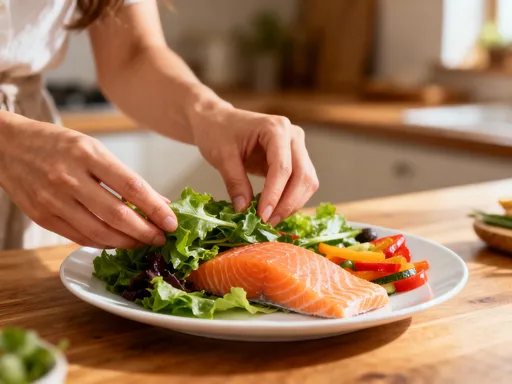
What Your Plate Does to Your Hair: The Real Food Connection
Hair breakage, dullness, and slow growth aren’t just about shampoos or serums—they might be screaming for better nutrition. I used to brush out handfuls of hair, until I looked beyond the bathroom cabinet. Turns out, what we eat directly fuels our strands. This isn’t about quick fixes, but real, science-backed dietary shifts that support stronger, shinier hair from the inside out. Let’s dive into how food combinations can quietly transform your hair health—no hype, just truth.
The Hidden Link Between Diet and Hair Health
Hair is more than a cosmetic feature—it’s a living tissue that reflects the body’s internal environment. Each strand is primarily made of keratin, a structural protein built from amino acids obtained through diet. When the body experiences nutrient shortages, it prioritizes vital organs like the heart, brain, and liver over non-essential systems, including hair follicles. As a result, hair often becomes one of the first visible signs of nutritional imbalance. Deficiencies in iron, zinc, biotin, vitamin D, and essential fatty acids have all been clinically associated with increased shedding, thinning, and poor regrowth.
For many women in their 30s to 50s, hair changes coincide with hormonal shifts, stress, or dietary habits that unknowingly compromise nutrient intake. Restrictive eating, reliance on processed foods, or skipping meals can quietly deplete the very nutrients needed for healthy hair. Research shows that telogen effluvium—a temporary form of hair loss—often follows periods of poor nutrition, illness, or rapid weight loss. This condition causes more hair than usual to enter the resting phase and fall out months later, catching many by surprise.
The key insight is that topical treatments cannot compensate for internal deficiencies. While conditioners and serums may improve texture temporarily, they do not address the root cause of weak or slow-growing hair. Lasting improvement requires consistent nourishment from within. The body needs a steady supply of high-quality proteins, healthy fats, and key micronutrients to sustain the hair growth cycle, which lasts two to six years per strand. Interrupting this cycle through poor diet can lead to visible thinning over time.
Understanding this connection empowers women to take meaningful action. Instead of chasing the latest hair trend or spending on expensive treatments, focusing on daily food choices offers a sustainable path to stronger, more resilient hair. It’s not about perfection but consistency—making small, informed decisions that add up over weeks and months. The plate, not the pharmacy, may hold the most powerful tool for transforming hair health.
Why Single Nutrients Aren’t Enough: The Power of Synergy
It’s tempting to believe that taking a single supplement—like biotin or collagen—can fix hair problems overnight. However, the human body doesn’t absorb or use nutrients in isolation. Real food works through synergy, where the combined effect of nutrients is greater than the sum of their parts. This principle is especially relevant for hair health, where multiple vitamins and minerals must interact to support growth, strength, and shine.
Take iron and vitamin C, for example. Iron is essential for delivering oxygen to hair follicles, supporting cellular activity in the scalp. But without vitamin C, the body absorbs only a fraction of dietary iron, especially from plant sources like lentils and spinach. Eating these iron-rich foods with a source of vitamin C—such as bell peppers, citrus fruits, or broccoli—can increase iron absorption by up to six times. This is not theoretical; it’s a well-documented physiological process that makes a real difference in preventing deficiency-related hair loss.
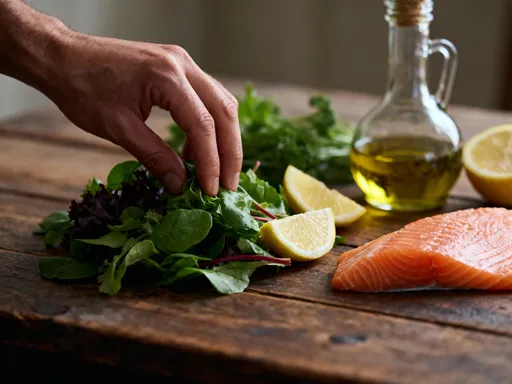
Similarly, fat-soluble vitamins like vitamin E and vitamin A require dietary fat to be properly absorbed and transported to the scalp. A salad rich in leafy greens may provide these vitamins, but without a dressing made from olive oil or avocado, the body cannot fully utilize them. Healthy fats act as carriers, enabling these nutrients to reach hair follicles where they protect against oxidative stress and support sebum production—a natural conditioner for the scalp.
This synergy extends to protein and zinc. Zinc plays a role in DNA synthesis and cell division, both critical for hair growth. However, zinc absorption improves when consumed alongside high-quality protein sources like eggs, fish, or legumes. Pairing pumpkin seeds—a rich source of zinc—with a grilled chicken salad isn’t just satisfying; it’s a strategic move for hair health.
The takeaway is clear: no single food or nutrient acts alone. The concept of “superfoods” is misleading if it encourages isolated consumption without considering the broader dietary context. A balanced plate that combines complementary foods delivers more benefits than any supplement stack. By focusing on food pairings, women can naturally enhance nutrient uptake, supporting not only their hair but overall vitality.
Protein: The Building Block Your Hair Can’t Ignore
If hair is made of protein, then protein intake is non-negotiable. Keratin, the primary structural component of hair, is synthesized from amino acids derived entirely from the diet. Without sufficient protein, the body cannot maintain the hair growth cycle, leading to brittle strands, increased breakage, and slower regrowth. For women managing busy households, protein needs are often overlooked, especially when meals revolve around carbohydrates or light salads.
Both animal and plant-based proteins contribute to hair health, but they differ in amino acid profiles. Animal proteins—such as eggs, poultry, fish, and dairy—are considered “complete,” meaning they contain all nine essential amino acids the body cannot produce on its own. These are particularly effective at supporting tissue repair and growth, including hair. Eggs, for instance, are rich in biotin and sulfur-containing amino acids like cysteine, which strengthen the hair shaft and promote resilience.
Plant proteins—found in beans, lentils, nuts, and whole grains—are often “incomplete,” lacking one or more essential amino acids. However, this doesn’t mean they’re inadequate. By combining different plant sources throughout the day, such as beans with rice or hummus with whole wheat pita, it’s possible to obtain a complete amino acid profile. This approach, known as protein complementation, is especially valuable for women following vegetarian or plant-forward diets.
Common pitfalls include relying too heavily on processed meats, which are high in sodium and saturated fat, or skipping protein at breakfast. Starting the day with a sugary cereal or pastry leads to energy crashes and missed opportunities to fuel hair growth early in the day. Instead, a breakfast of Greek yogurt with berries and chia seeds, or scrambled eggs with spinach and avocado, provides sustained protein and essential nutrients.
The goal is not to overconsume protein but to distribute it evenly across meals. The body cannot store amino acids for long periods, so consistent intake throughout the day supports continuous keratin production. Experts recommend about 0.8 grams of protein per kilogram of body weight daily, though active women or those recovering from illness may benefit from slightly more. By making protein a priority at every meal, women lay the foundation for stronger, more resilient hair.
Fats That Fuel Follicles: Separating Good from Bad
Fat has long been misunderstood, especially in women’s health. While excessive intake of unhealthy fats can contribute to inflammation and heart issues, certain fats are essential for hair health. The scalp produces sebum, an oily substance that moisturizes hair and protects it from environmental damage. Sebum is made from lipids, meaning that dietary fat directly influences its quality and quantity.
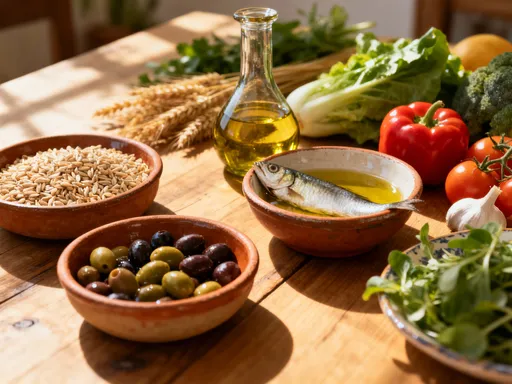
Omega-3 fatty acids are among the most beneficial fats for hair. Found in fatty fish like salmon, mackerel, and sardines, as well as plant sources like flaxseeds, chia seeds, and walnuts, omega-3s have anti-inflammatory properties that help reduce scalp irritation and support follicle function. Chronic inflammation can disrupt the hair growth cycle, pushing follicles into a resting phase prematurely. By lowering inflammation, omega-3s help maintain a healthy growth environment.
These fats also contribute to hair shine and elasticity. A deficiency in essential fatty acids can lead to dry, brittle hair and a flaky scalp—symptoms often mistaken for dandruff. Studies have shown that supplementing with omega-3s can improve hair density and reduce shedding over time. However, whole food sources are preferable to supplements, as they provide additional nutrients like selenium and vitamin D, which also support hair health.
On the other hand, trans fats and highly processed vegetable oils—common in fried foods, packaged snacks, and margarine—can have the opposite effect. These fats promote systemic inflammation and may impair blood flow to the scalp, reducing nutrient delivery to hair follicles. Over time, a diet high in these fats can contribute to poor hair texture and increased shedding.
Incorporating healthy fats into daily meals doesn’t require drastic changes. Adding a tablespoon of ground flaxseed to morning oatmeal, snacking on a handful of walnuts, or preparing a salmon bowl with quinoa and roasted vegetables are simple, enjoyable ways to support follicle health. Avocado, olive oil, and nuts also provide monounsaturated fats, which support cardiovascular health while nourishing hair from within.
The key is balance. Fats should make up about 20–35% of daily calories, with an emphasis on unsaturated sources. By choosing whole, minimally processed fat sources, women can improve not only their hair but also their skin, energy levels, and long-term well-being.
Micronutrient Power Couples: Iron + Vitamin C, Zinc + Protein
While macronutrients like protein and fat provide structure and energy, micronutrients act as catalysts in the biological processes that sustain hair growth. Two of the most critical nutrient pairs for hair health are iron with vitamin C, and zinc with protein. These combinations work together to optimize absorption, utilization, and cellular function in the scalp.
Iron deficiency is one of the most common nutritional causes of hair loss, especially among women of reproductive age. Iron is necessary for hemoglobin production, which carries oxygen to all cells, including hair follicles. When iron stores are low, follicles receive less oxygen, slowing growth and increasing shedding. Plant-based iron (non-heme iron) is less easily absorbed than iron from animal sources, but its absorption can be significantly enhanced when consumed with vitamin C. A simple strategy is to pair lentil soup with a side of roasted red peppers or enjoy a spinach salad with lemon vinaigrette. These combinations are not only delicious but scientifically effective.
Zinc is another essential mineral involved in hair tissue growth and repair. It supports the division of cells in the hair follicle and helps maintain the oil glands around follicles. However, zinc absorption depends on adequate protein intake. Consuming pumpkin seeds or cashews with a protein-rich meal improves zinc uptake. At the same time, excessive zinc supplementation can interfere with copper absorption and lead to adverse effects, so food-based sources are generally safer and more effective.
Other important micronutrients include selenium, found in Brazil nuts and seafood, which protects hair follicles from oxidative damage, and vitamin A, which regulates sebum production. However, balance is crucial—too much vitamin A, especially from supplements, can actually contribute to hair loss. This reinforces the principle that food sources are preferable to isolated supplements, as they provide nutrients in natural, balanced amounts.
Timing matters, too. Consuming nutrient pairs in the same meal maximizes synergy. For example, eating a grilled chicken and broccoli stir-fry delivers both zinc and vitamin C alongside high-quality protein, creating a powerful combination for hair support. Planning meals with these pairings in mind turns everyday eating into a proactive strategy for healthier hair.
Foods That Sabotage: What to Limit for Healthier Hair
Just as certain foods support hair health, others can quietly undermine it. Highly processed carbohydrates, excess sugar, and fried foods may not seem directly related to hair, but their impact on blood sugar and inflammation can disrupt the hair growth cycle. When blood sugar spikes, the body releases insulin, which in excess can trigger inflammation and hormonal imbalances—both of which are linked to increased shedding.
Refined grains like white bread, pastries, and sugary cereals break down quickly into glucose, leading to rapid rises in blood sugar. Over time, this pattern can contribute to insulin resistance, a condition associated with conditions like polycystic ovary syndrome (PCOS), which often includes hair thinning as a symptom. While diet alone does not cause PCOS, it can influence its severity and related hair changes.
Fried foods and processed snacks often contain trans fats and advanced glycation end products (AGEs), compounds that promote oxidative stress and inflammation. These factors can damage hair follicles and impair their ability to regenerate. Additionally, excessive alcohol consumption can deplete essential nutrients like zinc and B vitamins, further compromising hair health.
This is not about elimination or perfection. The goal is mindfulness—recognizing which foods may be working against hair goals and making gradual, sustainable swaps. Choosing whole grain bread over white, snacking on fruit and nuts instead of candy, and cooking with olive oil rather than frying can make a meaningful difference over time. These changes support not only hair but overall metabolic health, energy, and mood.
Hydration also plays a role. Dehydration can make hair look flat and lifeless, as water is essential for nutrient transport and cellular function. Drinking adequate water throughout the day—along with consuming water-rich foods like cucumbers, oranges, and soups—helps maintain scalp hydration and hair elasticity.
Building a Hair-Healthy Plate: Simple, Sustainable Patterns
Sustainable hair health comes from consistent, balanced eating—not restrictive diets or short-term fixes. Instead of focusing on individual “miracle” foods, the goal is to build a varied, enjoyable eating pattern that naturally includes the nutrients hair needs. This approach is especially practical for women managing family meals, as it aligns with wholesome, home-cooked eating.
A typical day might start with scrambled eggs and sautéed spinach in olive oil, providing protein, iron, and healthy fats. A mid-morning snack of Greek yogurt with blueberries and a sprinkle of chia seeds offers probiotics, antioxidants, and omega-3s. Lunch could be a quinoa bowl with black beans, roasted sweet potatoes, and avocado, delivering complete protein, complex carbohydrates, and monounsaturated fats. An afternoon snack of almonds and an orange combines vitamin E, zinc, and vitamin C for nutrient synergy. Dinner might include baked salmon, steamed broccoli, and brown rice—a powerful combination of omega-3s, fiber, and B vitamins.
The beauty of this pattern is its flexibility. It doesn’t require special ingredients or elaborate preparation. Leftovers can be repurposed, and seasonal produce can be swapped in. The focus is on whole, minimally processed foods that nourish the body and support long-term hair vitality.
It’s important to remember that results take time. Hair grows at an average rate of half an inch per month, and changes in diet may take three to six months to become visible. Patience and consistency are key. For women experiencing persistent hair loss, consulting a healthcare provider is essential to rule out underlying conditions like thyroid disorders, anemia, or hormonal imbalances.
Nutrition is a foundational pillar of hair care, not an afterthought. By making mindful food choices every day, women invest in their overall health and, in turn, their hair. The plate becomes a powerful tool—not for quick transformations, but for lasting, meaningful change.
Nourish from Within, Shine from the Outside
Great hair isn’t bought—it’s grown. While shampoos, conditioners, and styling tools play a role in appearance, true hair health begins in the kitchen. The foods we eat provide the raw materials for strong, shiny, resilient strands. No serum can replace the benefits of a balanced diet rich in protein, healthy fats, and synergistic micronutrients.
This journey is not about perfection but progress. Small, consistent choices—like adding more vegetables, choosing whole grains, or pairing iron-rich foods with vitamin C—add up over time. Hair reflects overall well-being, and by nourishing the body with real, whole foods, women support not only their hair but their energy, mood, and long-term health.
It’s also a reminder to be patient and kind to oneself. Hair changes take months to manifest, and every woman’s body responds differently. What matters most is the commitment to self-care through thoughtful eating. When nutrition becomes a form of love and respect for the body, the results go beyond appearance—they reflect a deeper sense of balance and vitality.
In the end, the healthiest hair comes from a life well-nourished. By aligning food choices with the body’s natural needs, women can grow not just stronger hair, but a stronger sense of well-being. The plate, after all, is where transformation truly begins.