How Massage Therapy Changed My Recovery Game — And What I Track to Stay on Top
Recovering from injury used to feel like guesswork—until I discovered how massage therapy, paired with simple health tracking, transformed my progress. It’s not magic, just smart, consistent care. By monitoring how my body responds, I’ve gained real insight into what works. This is why combining hands-on recovery with daily health awareness makes a powerful difference—no hype, just results you can see and feel.
The Frustration of Slow Recovery
For many people, recovering from physical injury is a long and emotionally draining process. Effort is given daily—stretching, strengthening, following medical advice—but progress often feels invisible. One week blends into the next, with stiffness lingering and pain levels barely shifting. This lack of measurable improvement can lead to discouragement, even resignation. The body seems uncooperative, healing on its own unpredictable timeline, leaving individuals feeling passive and disconnected from their own recovery.
Common challenges include muscle tightness that resists traditional stretching, joint discomfort that flares without clear cause, and fatigue that undermines even mild physical activity. These symptoms often create a cycle: pain leads to reduced movement, which in turn causes further stiffness and weakness. Many people describe hitting a plateau, where initial gains stall and motivation dips. Without clear signals from the body, it becomes difficult to know whether to push forward or pull back—whether rest is needed or if more action would help.
This uncertainty is where traditional rehabilitation can fall short. While medical guidance is essential, it often focuses on broad timelines and standardized protocols. What’s missing for many is a personalized, responsive system that adapts to daily changes. Healing isn’t a linear path; it’s a dynamic process influenced by sleep, stress, activity levels, and tissue response. Recognizing this led to the search for a more intuitive, data-informed approach—one that treats recovery as an ongoing conversation between mind and body.
Why I Gave Massage Therapy a Real Shot
At first, massage therapy seemed like a luxury, not a recovery tool. The idea of paying for hands-on treatment felt indulgent, especially when medical appointments and physical therapy were already part of the routine. Reviews were mixed—some praised deep relief, while others dismissed it as temporary comfort with no lasting impact. Skeptical but willing to explore, the decision was made to try it with intention, not just hope. The goal was clear: assess whether massage could produce measurable improvements in mobility, comfort, and function over time.
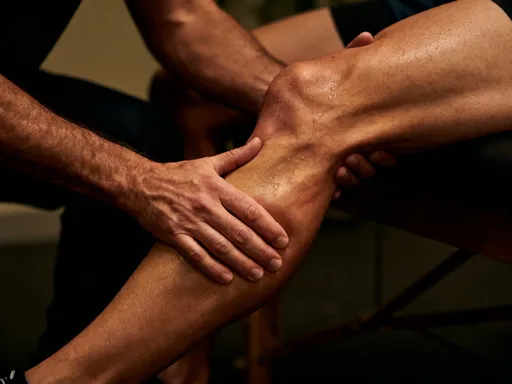
The journey began with weekly sessions focusing on deep tissue techniques, chosen for their reputation in addressing chronic muscle tension. A licensed therapist with experience in rehabilitation guided the process, adjusting pressure and technique based on feedback. Early sessions brought noticeable changes—tight shoulders released, lower back tension eased—but the real shift came in how these effects lasted. Unlike temporary relief from heat or over-the-counter remedies, the benefits of skilled massage seemed to accumulate. Range of motion improved steadily, and morning stiffness became less severe.
As weeks passed, other modalities were introduced, including myofascial release and trigger point therapy. These targeted connective tissue and specific knots of tension, areas often overlooked in standard exercise routines. The frequency settled into a rhythm: weekly during intense recovery phases, biweekly for maintenance. What started as an experiment became a cornerstone of the healing process. The body responded not just with reduced pain, but with greater ease in daily movement. This wasn’t about pampering—it was about facilitating biological repair through targeted physical intervention.
The Science Behind It: What Massage Actually Does
Massage therapy is often misunderstood as merely a relaxation technique, but its physiological effects are well-documented and clinically relevant. When skilled pressure is applied to muscles and connective tissues, several key biological processes are activated. One of the most immediate effects is increased blood circulation. Enhanced blood flow delivers oxygen and nutrients to damaged tissues while helping remove metabolic waste products like lactic acid, which can contribute to soreness and fatigue.
Research published in journals such as the Journal of Bodywork and Movement Therapies and Science Translational Medicine has shown that massage reduces the production of inflammatory cytokines after exercise-induced muscle damage. This means it doesn’t just mask pain—it actively supports the body’s natural repair mechanisms. In one study, participants who received massage after strenuous exercise showed faster recovery of muscle strength and reduced markers of inflammation compared to those who did not.
Another important benefit is the regulation of the nervous system. Chronic pain and injury often lead to a state of heightened muscle tension, driven by the sympathetic nervous system—the body’s “fight or flight” response. Massage has been shown to activate the parasympathetic system, promoting a state of rest and recovery. This shift helps reduce muscle guarding, where the body instinctively tightens muscles around an injured area, which can otherwise prolong stiffness and delay healing.
Additionally, massage influences fascia, the web-like connective tissue that surrounds muscles, organs, and bones. When fascia becomes restricted due to injury or repetitive strain, it can limit movement and contribute to discomfort. Techniques like myofascial release work to restore elasticity and glide within this tissue network, improving overall mobility. These combined effects—reduced inflammation, improved circulation, nervous system balance, and fascial health—make massage a scientifically supported component of rehabilitation, not just a feel-good add-on.
From Feeling to Data: Adding Health Monitoring to the Mix
Even as massage therapy brought improvements, patterns were hard to track without objective input. Some days felt better than others, but was it due to the massage, a good night’s sleep, or simply lower stress? To move beyond guesswork, a simple tracking system was introduced. The aim wasn’t to become a data scientist, but to gain clarity on what influenced recovery on a day-to-day basis.
The first step was a daily journal, noting subjective experiences: energy levels, mood, muscle tightness on a scale of 1 to 10, and perceived pain. Over time, correlations began to emerge. Days following a massage session often coincided with improved mood and lower soreness, but only if sleep quality was adequate. On nights with poor rest, even recent massage benefits seemed diminished. This highlighted the interconnected nature of recovery factors—no single intervention works in isolation.
To deepen insights, wearable technology was incorporated. A basic fitness tracker provided objective metrics such as resting heart rate, sleep duration, and activity levels. These numbers added context to how the body was responding. For example, a rising resting heart rate over two or three days often preceded increased muscle soreness, suggesting the body was under stress before symptoms appeared. This early warning allowed for proactive adjustments—scheduling a massage sooner, reducing activity, or prioritizing rest.
The combination of subjective journaling and objective data created a more complete picture. It shifted recovery from a passive experience to an active, informed process. Instead of waiting for pain to dictate actions, decisions could be guided by trends and patterns. This approach didn’t eliminate setbacks, but it made them easier to understand and manage. Tracking didn’t add burden—it brought control and confidence.
What I Track, and Why It Matters
Four key metrics became the foundation of the tracking system, each chosen for its relevance, ease of measurement, and responsiveness to change. The first is range of motion. Using simple daily movements—like reaching overhead or touching the toes—a baseline was established, and improvements were recorded weekly. This provided a tangible measure of progress, independent of how pain was felt on any given day.
The second metric is resting heart rate. Measured first thing in the morning, this number reflects the body’s overall stress and recovery state. A lower, stable resting heart rate typically indicates good recovery, while a sudden increase can signal overexertion or inadequate rest. In one instance, a rise from 62 to 68 bpm over three days preceded a flare-up of lower back tightness. This early signal prompted an earlier massage session and a day of reduced activity, helping to avoid a full setback.
Perceived muscle soreness is the third tracked element. Using a consistent 1–10 scale, daily ratings were logged. While subjective, this measure proved highly reliable when tracked consistently. Over time, it became clear that soreness levels dropped more quickly after adding regular massage, especially when combined with proper hydration and sleep. This wasn’t just anecdotal—it was a repeatable pattern seen across multiple recovery cycles.
The fourth and final metric is sleep quality. Total hours slept were recorded, but more importantly, the sense of restfulness upon waking. Poor sleep consistently correlated with higher pain sensitivity and slower recovery. Massage sessions scheduled on Sunday evenings often led to deeper, more restorative sleep, creating a positive ripple effect into the week. By tracking these four areas—range of motion, resting heart rate, soreness, and sleep—a personalized recovery dashboard was created, allowing for informed, timely decisions.
Building a Smarter Recovery Routine
With data in hand, the recovery routine evolved from a fixed schedule to a responsive system. Instead of rigidly booking a massage every two weeks, appointments were adjusted based on tracked signals. If resting heart rate climbed or soreness increased without clear cause, a session was moved up. If range of motion was steadily improving and sleep was consistent, maintenance intervals could be extended.
Massage was also integrated more intentionally with other recovery practices. Gentle movement—such as walking or yoga—was encouraged on the same day as a session to support circulation and prevent stiffness. Hydration was prioritized, as tissues respond better to manual therapy when well-hydrated. Caffeine and alcohol intake were monitored, as both can influence muscle tension and sleep quality, indirectly affecting recovery outcomes.
One of the most important shifts was learning to honor rest. There’s a cultural tendency to equate progress with effort, but recovery teaches the opposite: sometimes the most powerful action is inaction. Tracking helped identify when the body needed downtime, not more input. Pushing through pain or fatigue often led to setbacks, while listening to the data allowed for smarter pacing. This balance—between action and rest, treatment and self-awareness—became the core of a sustainable recovery strategy.
The routine wasn’t about perfection. Some weeks were inconsistent, and progress wasn’t always forward. But the system provided resilience. When setbacks occurred, they could be analyzed, understood, and responded to—rather than endured blindly. This adaptability made the process not only more effective but also more empowering.
Why This Approach Works—And Who Should Try It
The real power of combining massage therapy with health tracking lies in the feedback loop it creates. Each massage session provides input, and tracking provides output—what changed, what didn’t, and what might be influencing the results. This loop turns recovery into an interactive process, where individuals become active participants rather than passive patients.
This approach is especially beneficial for people dealing with chronic musculoskeletal strain, such as those with repetitive motion injuries from daily life or work. It’s also valuable for anyone in post-injury rehabilitation, where progress can be slow and motivation hard to maintain. Athletes or highly active individuals who place regular physical demands on their bodies may also find it helpful for preventing overuse injuries and supporting long-term tissue health.
It’s important to emphasize that this is not a substitute for medical care. Anyone with an injury or chronic condition should consult a healthcare provider before beginning a new recovery plan. Massage therapy should be performed by a licensed professional, especially when addressing specific medical concerns. Tracking should be used to support, not replace, clinical guidance.
What this method offers is empowerment. It gives individuals tools to understand their bodies more deeply, make informed choices, and stay engaged in their healing journey. It bridges the gap between professional treatment and daily self-care, creating a more holistic and sustainable path to recovery.
Conclusion: Healing Is a Conversation With Your Body
True recovery is not something that simply happens over time—it’s an active, ongoing dialogue with your body. Pain, stiffness, fatigue, and progress are all forms of communication. The challenge is learning how to listen. By incorporating massage therapy as a consistent, science-backed intervention and pairing it with simple, consistent tracking, that conversation becomes clearer.
This approach doesn’t promise overnight miracles. What it does offer is insight, control, and momentum. It replaces frustration with understanding, guesswork with guidance. Each massage session becomes more than a treatment—it’s an opportunity to assess, adjust, and advance. Each tracked data point becomes a clue, helping to navigate the complex terrain of healing.
For anyone who has ever felt stuck in recovery, this method offers a way forward. It’s not about doing more—it’s about doing smarter. By paying attention, responding with care, and honoring the body’s signals, healing becomes not just possible, but personal. And in that personalization lies the greatest strength: the ability to take part in your own recovery, one informed choice at a time.