How Acupuncture and Massage Changed My Daily Life – A Real Healing Journey
For years, I struggled with constant tension and low energy, unsure how to truly feel better. I didn’t want quick fixes—I needed something sustainable. That’s when I started exploring acupuncture and massage as part of a real, systematic approach to wellness. It wasn’t magic, but over time, I noticed deeper sleep, less discomfort, and a calmer mind. This is my experience—not a cure, but a shift in how I live. What began as a personal search for relief became a journey of understanding my body’s signals and learning how to respond with care. It wasn’t about dramatic transformations but gradual, meaningful improvements that added up to a more balanced life.
The Hidden Cost of Chronic Discomfort
Many women in their 30s, 40s, and 50s carry a quiet burden: the weight of ongoing physical discomfort that never seems serious enough to demand medical attention, yet never quite goes away. Persistent muscle tightness in the shoulders, a dull ache at the base of the neck, difficulty falling asleep, or waking up already tired—these are not rare anomalies. They are common experiences, often dismissed as the inevitable cost of being a working parent, a caregiver, or someone managing a household. But when these symptoms linger day after day, they erode overall well-being in ways that are easy to overlook until the cumulative toll becomes undeniable.
This kind of chronic discomfort operates subtly. It doesn’t always come with a diagnosis, but it shapes daily life in profound ways. A mother may find herself too fatigued to engage fully with her children in the evening. A professional might struggle to concentrate during important meetings because of recurring tension headaches. Another woman may avoid social outings simply because she’s too stiff or sore to sit comfortably for long. These are not isolated incidents—they are interconnected signs that the body is under sustained stress. The nervous system, designed to respond to threats, remains in a low-grade state of alert, never fully switching off.
What makes this pattern especially insidious is how normalized it has become. Many women accept this level of discomfort as just part of life. They adapt by pushing through, relying on over-the-counter pain relievers, or using heat pads as temporary relief. But adaptation is not healing. The body continues to send signals—through fatigue, disrupted sleep, irritability, or physical stiffness—that it needs support. Ignoring these cues doesn’t make them disappear; it only delays the opportunity to address the root causes. The cost is not just physical but emotional: a sense of being drained, disconnected, or constantly on edge.
Recognizing this pattern is the first step toward change. It requires shifting perspective—from seeing discomfort as inevitable to viewing it as meaningful feedback. The body is not malfunctioning; it is responding to the demands placed upon it. When physical strain, emotional stress, and lifestyle factors accumulate without adequate recovery, the result is a system that feels perpetually out of balance. The good news is that this imbalance is not permanent. With the right kind of support, the body can regain its natural rhythm. Acupuncture and massage, when used thoughtfully, offer a pathway to recalibrate and restore.
What Acupuncture Really Is (Beyond the Needles)
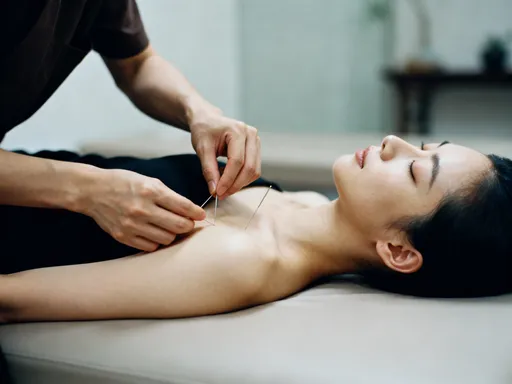
Acupuncture is often misunderstood, surrounded by myths or oversimplified as nothing more than needle insertion. In reality, it is a structured practice rooted in centuries of observation and refined through modern clinical application. At its core, acupuncture is based on the principle that the body has an intrinsic ability to heal and regulate itself. The placement of fine, sterile needles at specific points along the body—known as acupoints—is designed to influence this self-regulating system. These points are not arbitrary; they are located along pathways traditionally called meridians, which correspond to areas of nerve concentration, blood flow, and fascial connectivity.
From a scientific perspective, acupuncture appears to work by modulating the nervous system. Research suggests that stimulation of acupoints can trigger the release of endorphins, the body’s natural pain-relieving chemicals, and influence the autonomic nervous system, which controls functions like heart rate, digestion, and stress response. This means acupuncture doesn’t just address pain—it can help shift the body from a state of constant alert (sympathetic dominance) to one of rest and repair (parasympathetic activation). For women who feel perpetually “wound up,” this shift can be profoundly restorative.
One of the most common concerns about acupuncture is fear of pain. However, the sensation is typically minimal. Most people describe it as a brief pinch or a mild pressure, followed by a feeling of warmth, heaviness, or relaxation. The needles used are extremely thin—about the width of a human hair—and are inserted only a few millimeters into the skin. Licensed practitioners follow strict hygiene protocols, using single-use, disposable needles to ensure safety. When performed by a qualified professional, acupuncture carries a very low risk of side effects.
It’s important to understand that acupuncture is not a standalone cure. It works best as part of a broader wellness strategy. Think of it as a tool that helps reset the body’s internal communication system. Just as regular exercise strengthens muscles, consistent acupuncture sessions can help retrain the nervous system to respond more calmly to stress. Over time, this can lead to reduced muscle tension, improved sleep quality, and a greater sense of emotional stability. The benefits are cumulative, which is why a systematic approach—rather than occasional treatment—yields the most meaningful results.
The Healing Power of Touch: Why Massage Matters
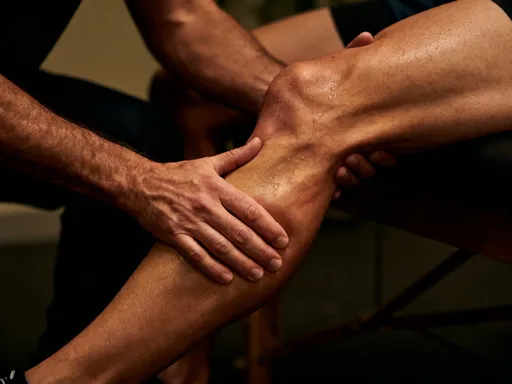
While acupuncture works from the inside out by influencing neural and energetic pathways, therapeutic massage supports healing through direct physical intervention. Touch, when applied with skill and intention, is one of the most powerful forms of somatic communication. Massage therapy goes far beyond the relaxation offered by a spa treatment. Clinical massage techniques are designed to address specific physiological needs—improving circulation, releasing muscle adhesions, reducing inflammation, and restoring mobility. For women who spend long hours sitting, caring for others, or performing repetitive tasks, this kind of targeted care can be transformative.
Blood flow is essential for tissue health. When muscles are tight or overused, circulation becomes restricted, leading to a buildup of metabolic waste and reduced oxygen delivery. Massage helps break this cycle by mechanically encouraging blood and lymphatic fluid movement. This not only speeds up recovery but also reduces swelling and supports immune function. Additionally, the physical manipulation of soft tissues can disrupt chronic patterns of tension—such as the knot between the shoulder blades or the tight band across the lower back—that contribute to ongoing discomfort.
There are several types of massage, each serving different purposes. Deep tissue massage targets deeper layers of muscle and connective tissue, making it effective for long-standing tension or injury recovery. Myofascial release focuses on the fascia, the web-like connective tissue that surrounds muscles and organs, helping to relieve restrictions that can pull the body out of alignment. For those with high stress or sensitivity, gentler approaches like Swedish massage or craniosacral therapy can promote nervous system regulation without overwhelming the body. The key is matching the technique to individual needs, which a skilled therapist can assess during consultation.
Consistency is just as important in massage as it is in acupuncture. While a single session may provide temporary relief, the real benefits emerge over time. Regular massage—whether weekly, biweekly, or monthly—helps maintain gains, prevents the reaccumulation of tension, and reinforces the body’s ability to stay in balance. It’s similar to dental hygiene: occasional cleanings are helpful, but daily brushing and flossing prevent problems from developing. In the same way, consistent bodywork becomes a form of preventive care, supporting long-term physical resilience.
Why a Systematic Approach Makes the Difference
Many people try acupuncture or massage once, don’t notice immediate dramatic changes, and conclude that it doesn’t work. This is understandable but often reflects a misunderstanding of how these therapies function. Unlike medication, which may produce rapid effects, acupuncture and massage work by supporting the body’s natural healing rhythms. These rhythms operate on a slower, more subtle timeline. The benefits are not always dramatic at first—they may appear as slightly better sleep, a reduced need for pain relievers, or a greater ability to relax after a long day. Over weeks and months, these small improvements accumulate into significant change.
A systematic approach means treating these therapies not as emergency interventions but as ongoing components of self-care. This involves setting realistic expectations and committing to a plan. For example, beginning with weekly sessions for four to six weeks allows the body to respond and adapt. During this time, a licensed practitioner can monitor progress and adjust techniques as needed. This personalized guidance is crucial—what works for one person may not work for another. A woman recovering from a car accident may need a different treatment focus than one managing work-related stress, even if both experience neck pain.
The nervous system, in particular, responds well to consistency. When it is repeatedly exposed to calming stimuli—such as the regulated needle stimulation of acupuncture or the rhythmic pressure of massage—it begins to relearn how to down-regulate stress responses. This is sometimes referred to as “neuroplasticity,” the brain’s ability to form new neural pathways. Over time, the body becomes less reactive to everyday stressors. A loud noise, a missed deadline, or a family conflict may still occur, but the physical reaction—tight shoulders, shallow breathing, racing heart—becomes less intense and shorter in duration.
Professional guidance ensures safety and effectiveness. Licensed acupuncturists and massage therapists undergo extensive training and adhere to ethical standards. They can identify contraindications—such as certain medical conditions or medications—that might affect treatment. They also provide education, helping clients understand their bodies and make informed choices. This partnership between practitioner and client is a cornerstone of successful therapy. It transforms passive treatment into active healing, where the individual becomes an informed participant in their own wellness journey.
Real Benefits: What Actually Improved in My Routine
After several months of consistent acupuncture and massage, the changes in daily life became unmistakable. Sleep, which had been fragmented and restless, gradually deepened. Falling asleep became easier, and waking up felt more natural, without the grogginess that used to linger into mid-morning. This shift alone had a ripple effect—energy levels improved, focus sharpened, and mood stabilized. It wasn’t that life became easier, but the capacity to handle its demands increased.
One of the most noticeable physical changes was the reduction in tension headaches. For years, I relied on occasional pain relievers when a dull ache began behind the eyes or at the base of the skull. Now, those episodes occur far less frequently, and when they do, they are milder and shorter-lived. This is likely due to the combined effect of reduced muscle tension in the neck and shoulders and improved nervous system regulation. The body is no longer stuck in a constant state of contraction, so the triggers that once led to headaches have less power.
Emotionally, there was a shift toward greater presence. Small moments—watching a child play, sipping tea in the morning, walking through the garden—became more vivid. This wasn’t because external circumstances changed, but because the internal noise quieted. The constant background hum of anxiety or fatigue diminished, making space for more awareness and appreciation. Reactivity decreased; minor frustrations no longer spiraled into prolonged stress. This emotional resilience didn’t happen overnight, but it grew steadily with each session.
Physical markers of improvement were also evident. Flexibility increased, making everyday movements—reaching for a high shelf, bending to tie a shoe—less effortful. Stiffness after long periods of sitting or driving decreased significantly. Posture improved not through conscious effort, but as a natural result of reduced muscular imbalance. Importantly, not everything changed. Acupuncture and massage did not eliminate all discomfort or solve every life challenge. But they created a foundation of greater physical and emotional stability, making it easier to cope with whatever arose.
How to Start Smart: A Practical Guide for Beginners
For women considering acupuncture or massage, beginning wisely increases the likelihood of positive outcomes. The first step is finding a qualified practitioner. Look for state licensure, professional certifications, and positive reviews from other clients. Many practitioners offer brief consultations to discuss goals and answer questions—this can help determine if their approach feels like a good fit. During the first session, be honest about medical history, current symptoms, and comfort levels. A good practitioner will listen carefully and adjust the treatment accordingly.
It’s reasonable to start with a short series of four to six sessions, scheduled weekly or every other week. This allows enough time to observe subtle changes in energy, sleep, and physical comfort. Keep a simple journal to track observations—such as how quickly you fall asleep, how often you feel stiff, or how you respond to stress. These notes can reveal patterns that might otherwise go unnoticed. Avoid expecting immediate, dramatic results; the process is more like tuning an instrument than flipping a switch.
Supporting treatments with daily habits enhances their effectiveness. Staying well-hydrated helps flush metabolic waste released during massage. Gentle stretching or walking promotes circulation and prevents stiffness. Mindful breathing exercises—even just a few minutes a day—can reinforce the nervous system calming effects of therapy. These small practices don’t replace professional care but complement it, creating a more comprehensive approach to wellness.
Balance is essential. Overdoing treatments—such as scheduling daily sessions—can overwhelm the body’s ability to integrate changes. Equally, spacing sessions too far apart may prevent the cumulative benefits from building. A rhythm that allows time for rest and recovery between appointments is ideal. Remember, the goal is sustainable progress, not rapid transformation. This is not about perfection but about consistent, compassionate care for the body.
Beyond the Session: Integrating Wellness Into Everyday Life
The lessons learned in acupuncture and massage sessions extend far beyond the treatment room. One of the most valuable outcomes is increased body awareness. Over time, it becomes easier to recognize the early signs of tension—tight shoulders, shallow breathing, clenched jaw—and respond before discomfort escalates. This awareness transforms self-care from a reactive habit into a proactive practice. Instead of waiting until pain becomes unbearable, small adjustments can be made throughout the day: shifting posture, taking short breaks, or pausing to breathe deeply.
This shift in mindset is profound. Wellness is no longer seen as something to pursue only when things go wrong. It becomes a form of maintenance, like brushing teeth or eating balanced meals. Just as a car needs regular oil changes to run smoothly, the body benefits from ongoing care. This perspective reduces guilt or frustration about needing support. It reframes self-care not as indulgence but as responsibility—a necessary part of being able to show up fully for family, work, and life.
Long-term well-being is built on small, consistent actions. No single massage or acupuncture session will change everything, but the cumulative effect of regular care can be life-altering. It’s not about eliminating stress—life will always have demands—but about building resilience. When the body is better supported, it can handle challenges with greater ease. This creates a positive feedback loop: feeling better leads to making healthier choices, which in turn supports continued improvement.
Professional therapies work best when integrated with other forms of care. They are not replacements for medical treatment but valuable complements. Always consult with a healthcare provider before beginning any new therapy, especially if managing a chronic condition or taking medications. A collaborative approach—where doctors, therapists, and the individual work together—ensures the safest and most effective path to wellness. The goal is not perfection but progress, not escape from reality but a deeper ability to live within it with strength, clarity, and calm.