How I Finally Calmed My Mind: Real Anxiety Relief That Actually Works
Anxiety used to hijack my days—racing thoughts, sleepless nights, constant tension. I tried ignoring it, but it only got worse. What changed? Learning to treat anxiety not as an enemy, but as a signal. Through science-backed rehabilitation methods, I discovered tools that truly helped me regain control. This isn’t about quick fixes, but lasting change. If you’re tired of feeling overwhelmed, this journey might be what you need to finally find relief.
The Breaking Point: When Anxiety Became Impossible to Ignore
For years, I told myself I was just a worrier. Everyone gets anxious sometimes, right? But the truth was, my anxiety had grown into something more—something that shaped how I moved through the world. I would wake up with a tight chest, my mind already spinning through the day’s to-do list, imagining worst-case scenarios. Simple tasks like answering emails or running errands felt overwhelming. I started canceling plans, not because I didn’t want to see people, but because the idea of being around others, of having to perform normalcy, drained me before I even left the house.
My body began to reflect what my mind could no longer ignore. I suffered from frequent headaches, muscle tension in my shoulders and neck, and a persistent sense of fatigue despite sleeping—on the surface—adequate hours. My sleep, however, was restless. I’d lie awake for hours, my thoughts circling like a record stuck on repeat. I became short-tempered with my family, not out of anger, but out of exhaustion. I felt disconnected from the person I used to be—someone who could handle challenges, laugh easily, and feel present in her own life.
The turning point came during a routine doctor’s visit. After listing my symptoms—fatigue, irritability, digestive discomfort, trouble concentrating—my physician gently asked, “Have you considered that this might be anxiety?” That question cracked something open. I had spent so much time minimizing my experience, believing I should be able to ‘snap out of it,’ that I hadn’t allowed myself to name it. That moment marked the shift—from avoidance to awareness. I realized I wasn’t weak for struggling; I was human. And more importantly, I wasn’t alone. That realization was the first step toward seeking real help, not just coping mechanisms that masked the problem.
Understanding Anxiety: It’s Not Just “Stress”
One of the most important lessons I learned early in my recovery was the difference between stress and anxiety. Stress is a response to a specific external pressure—like a looming deadline or a family conflict. Once the situation passes, the stress usually fades. Anxiety, on the other hand, often persists long after the trigger is gone. It’s like your brain’s alarm system continues to sound even when there’s no real danger nearby. This distinction matters because treating anxiety requires more than just managing life’s demands—it requires calming the nervous system itself.
Anxiety operates through the body’s autonomic nervous system, particularly the sympathetic branch, which controls the fight-or-flight response. When activated, this system releases stress hormones like cortisol and adrenaline, increasing heart rate, sharpening focus, and redirecting energy to muscles—ideal for escaping a predator, but not for sitting in a meeting or trying to fall asleep. The problem arises when this system becomes overactive, firing too frequently or too intensely, even in safe environments. Over time, the brain begins to interpret neutral situations as threats, creating a loop of hypervigilance and fear.
Another key component is the role of thought patterns. Anxiety isn’t just physical; it’s deeply cognitive. The mind gets caught in loops of catastrophic thinking—imagining the worst possible outcome as if it’s inevitable. These thoughts feel real, even when they’re not based in reality. For example, a slight headache might trigger the belief, “Something serious is wrong with me,” which then activates the nervous system, creating more physical symptoms, which in turn fuel more anxious thoughts. Breaking this cycle requires understanding how the mind and body feed into each other.
Reframing anxiety as a biological and psychological process—not a personal failing—was liberating. It meant I wasn’t broken; I was responding to prolonged activation in a system designed for survival. This understanding shifted my relationship with anxiety. Instead of fighting it with shame or resistance, I began to approach it with curiosity and care, learning how to regulate the very system that had been working too hard for too long.
The Foundation: Breathing Retraining and Nervous System Regulation
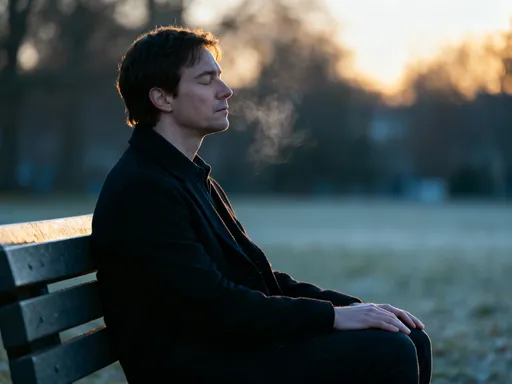
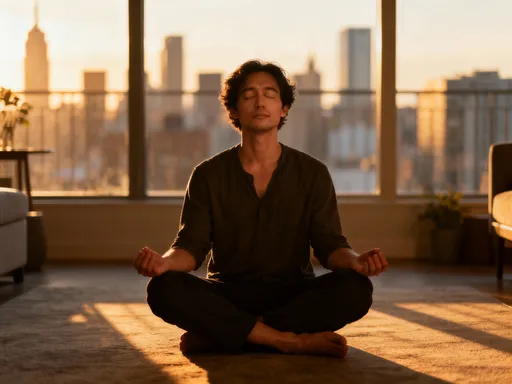
One of the most powerful, yet simplest, tools I discovered was breathing retraining. It sounds almost too basic—how can something as automatic as breathing make a real difference? But the science is clear: slow, controlled breathing directly influences the autonomic nervous system. When we breathe deeply and rhythmically, we send a signal to the brain that the body is safe, which in turn reduces the activity of the fight-or-flight response and activates the parasympathetic nervous system—the rest-and-digest mode.
The method I adopted is called diaphragmatic breathing, also known as belly breathing. Unlike shallow chest breathing, which is common during anxiety, diaphragmatic breathing engages the diaphragm, allowing the lungs to fill more completely. This increases oxygen exchange and helps lower heart rate and blood pressure. I started with just five minutes a day—sitting comfortably, one hand on my chest, the other on my belly, inhaling slowly through my nose for a count of four, feeling my abdomen rise, then exhaling gently through my mouth for a count of six. The longer exhale is key—it enhances the calming effect.
At first, it felt awkward. My mind wandered, and I worried I wasn’t doing it “right.” But I reminded myself that this was a skill, like learning to play an instrument. With consistent practice, I began to notice changes. My resting heart rate slowed. I felt less tense in my shoulders. Most importantly, I gained a sense of agency. When anxiety flared, I had a tool I could use anywhere—on the couch, in the car, even in the grocery store line. Over time, this practice became a cornerstone of my daily routine, not just for crisis moments, but as a way to maintain baseline calm.
Research supports this approach. Studies have shown that paced breathing, especially with extended exhalations, can reduce symptoms of generalized anxiety disorder, improve emotional regulation, and even enhance heart rate variability—a marker of nervous system resilience. The beauty of this method is its accessibility. No equipment, no cost, no prescription. Just you, your breath, and a few minutes a day. It’s not a cure, but it’s a powerful anchor—a way to reclaim control one breath at a time.
Movement as Medicine: How Physical Activity Reshapes Anxiety Patterns
If breathing was the anchor, movement became the bridge—connecting my mind and body in a way that eased anxiety from the inside out. For a long time, I associated exercise with performance—how fast, how far, how many calories burned. But in my healing journey, I had to redefine movement. It wasn’t about pushing myself to exhaustion; it was about gentle, consistent activity that supported my nervous system and improved my mood.
Physical activity helps reduce anxiety through multiple biological pathways. Exercise increases the production of endorphins and other neurotransmitters like serotonin and dopamine, which regulate mood and promote feelings of well-being. It also helps metabolize excess stress hormones like cortisol and adrenaline, which accumulate during chronic anxiety. Additionally, regular movement improves neuroplasticity—the brain’s ability to adapt and rewire itself—making it easier to break free from anxious thought patterns over time.
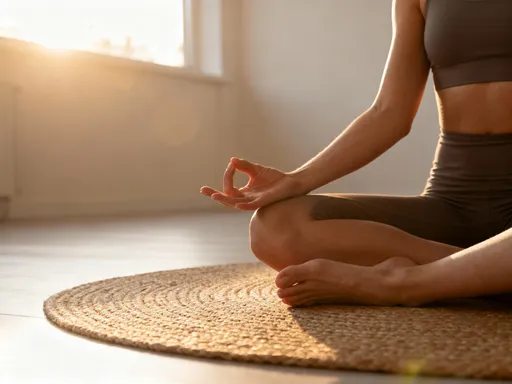
I started small. A 10-minute walk around the block became my daily ritual. I focused on how my feet felt on the ground, the rhythm of my steps, the air on my skin. No headphones, no distractions—just presence. As my stamina improved, I added yoga and light strength training. Yoga, in particular, combined movement with breath awareness, reinforcing the nervous system regulation I was building through breathing exercises. The poses weren’t about flexibility; they were about grounding, about feeling strong and supported in my body.
The key was consistency, not intensity. I let go of the idea that exercise had to be hard to be effective. Even gentle movement, when done regularly, made a difference. I noticed I slept better, my energy levels stabilized, and my mind felt clearer. On days when I skipped movement, I could feel the tension creeping back. Over time, movement became less of a chore and more of a gift—a daily act of care that reminded me I was worth the effort.
Cognitive Restructuring: Changing the Inner Conversation
While physical tools helped calm my body, I still struggled with the voice in my head—the one that whispered, “You’re not good enough,” or “Something bad is going to happen.” I realized that anxiety wasn’t just in my body; it lived in my thoughts. Cognitive restructuring, a core component of cognitive behavioral therapy (CBT), taught me how to identify and challenge these unhelpful thinking patterns.
Common distortions like catastrophizing (“If I make a mistake at work, I’ll get fired”), overgeneralizing (“I failed once, so I’ll always fail”), and mind reading (“They must think I’m incompetent”) kept me trapped in cycles of fear. The process of restructuring begins with awareness—learning to notice these thoughts as they arise, without judgment. I started keeping a thought journal, writing down anxious thoughts and examining the evidence for and against them.
For example, when I caught myself thinking, “I can’t handle this,” I asked, “Have I handled difficult things before?” The answer was always yes. I listed past challenges I’d overcome—times I’d managed stress, supported my family, or solved problems. This didn’t erase the anxiety, but it weakened the power of the thought. I began to replace catastrophic predictions with more balanced statements: “This is hard, but I’ve handled hard things before. I can take it one step at a time.”
Changing thought patterns takes time and repetition. It’s like building a new neural pathway—initially faint, but stronger with each use. I didn’t expect perfection. Some days, the old thoughts returned with full force. But I learned to respond with compassion, reminding myself that healing isn’t linear. With practice, the inner critic grew quieter, and a kinder, more realistic voice emerged. This shift didn’t eliminate anxiety, but it gave me a way to respond to it with clarity instead of fear.
Lifestyle Anchors: Sleep, Routine, and Sensory Environment
As I made progress in managing my symptoms, I realized that long-term relief depended on more than isolated techniques—it required a supportive daily structure. Three pillars became essential: sleep, routine, and environment. Each played a critical role in stabilizing my nervous system and reducing anxiety triggers.
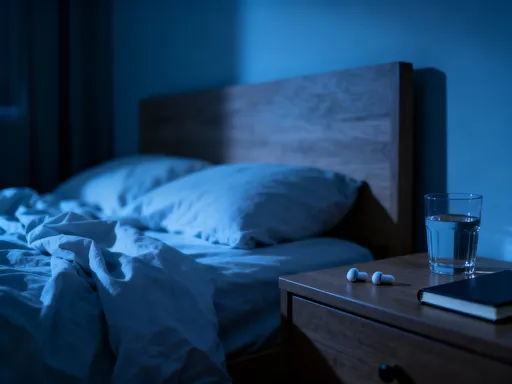
Sleep and anxiety have a bidirectional relationship—poor sleep worsens anxiety, and anxiety disrupts sleep. I had fallen into a cycle of late-night scrolling, trying to quiet my mind, only to make it more alert. I began practicing sleep hygiene: setting a consistent bedtime, avoiding screens for at least an hour before sleep, and creating a wind-down ritual. This included dimming the lights, drinking herbal tea, and doing a short breathing exercise. Over time, my sleep quality improved, and with it, my daytime resilience.
Routine provided a sense of predictability in a mind prone to uncertainty. I structured my days with gentle rhythms—morning light exposure, regular meals, scheduled movement, and downtime. This didn’t mean rigid scheduling, but rather a framework that reduced decision fatigue and created space for self-care. Knowing what to expect each day lessened the mental load and gave me a sense of control.
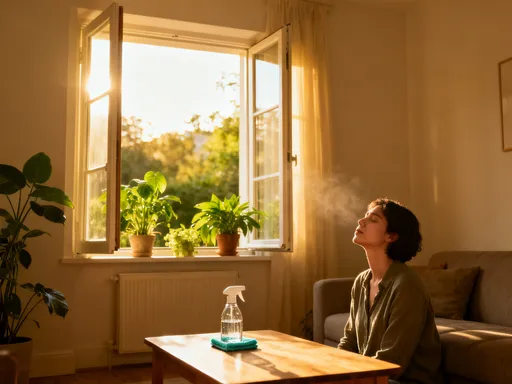
My sensory environment also mattered. I minimized noise pollution by using soft lighting, reducing clutter, and incorporating calming scents like lavender. I created a quiet corner in my home—a space dedicated to rest and reflection, free from distractions. These small changes signaled safety to my nervous system, making it easier to relax and recharge. Together, these lifestyle anchors formed a foundation that made all other practices more effective.
Putting It All Together: Building a Personalized Anxiety Management Plan
Healing from anxiety isn’t about finding one magic solution; it’s about integrating multiple strategies into a sustainable, personalized plan. What worked for me may not work exactly the same way for someone else—and that’s okay. The goal isn’t perfection, but progress. I started by experimenting with different tools, tracking what helped and what didn’t. I used a simple journal to note my mood, sleep quality, and daily practices, which helped me see patterns over time.
I built my routine around consistency, not intensity. Each morning, I began with five minutes of diaphragmatic breathing. I scheduled a 20-minute walk most days, adjusted based on energy levels. In the evening, I followed my wind-down ritual to support sleep. I continued cognitive work through journaling, revisiting anxious thoughts with curiosity rather than fear. I allowed room for flexibility—on busy days, I shortened practices; on hard days, I focused on self-compassion.
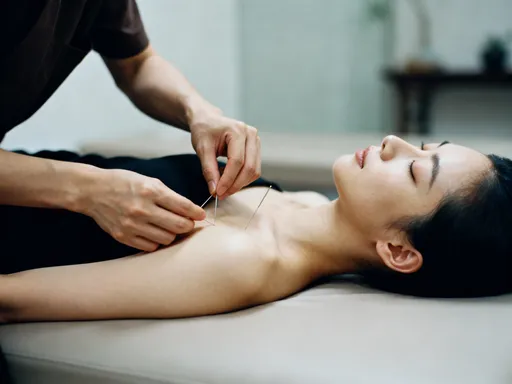
Professional support was also part of my plan. I worked with a therapist trained in CBT, which provided structure and accountability. Therapy wasn’t a sign of weakness; it was an act of courage—a commitment to understanding myself more deeply. I also consulted my doctor to rule out underlying medical causes and ensure my approach was safe and balanced.
The journey has been nonlinear. There have been setbacks, stressful periods, and days when old symptoms returned. But each time, I’ve had tools to turn to, and a deeper understanding of my own resilience. Recovery isn’t about never feeling anxious again; it’s about changing your relationship with anxiety—learning to respond with care instead of fear, with action instead of avoidance.
In closing, I want to remind you that relief is possible. It doesn’t come from willpower alone, but from consistent, grounded practices that honor your body and mind. Start small. Pick one tool—breathing, walking, journaling—and commit to it for a week. Notice what shifts. Stay curious. Be patient. Self-care is not selfish; it’s essential. And every step you take, no matter how small, is a step toward reclaiming your peace. You are not broken. You are healing. And that, in itself, is a powerful act of strength.