What I Wish I Knew Sooner About Anti-Aging Body Care
I used to think anti-aging was just about skincare and creams—until I noticed changes my routine couldn’t fix. Wrinkles weren’t the only sign; my posture, joint comfort, and energy levels told a deeper story. What I learned changed everything: true anti-aging starts with how we care for our bodies daily. It’s not magic, just smart, science-backed habits most of us overlook—until it’s too late.
The Misleading Focus on Skin-Deep Solutions
For years, the message has been clear: fight aging with serums, moisturizers, and SPF. While these play a role in protecting the skin from environmental damage, they address only the outermost layer of a much more complex process. The belief that anti-aging is synonymous with facial skincare creates a dangerous illusion—that looking younger means staying younger. In reality, aging is systemic, affecting muscles, joints, bones, and internal systems long before visible signs appear on the face.
Women in their thirties and forties often begin to notice subtle shifts—less spring in their step, stiffness after sitting, or difficulty reaching for items on high shelves. These are not just inconveniences; they are early signals of physical decline that skincare cannot reverse. The body’s structural integrity, mobility, and strength are just as important as smooth skin when it comes to aging well. Yet, most mainstream anti-aging advice ignores these aspects entirely, leaving people unprepared for the functional changes that follow.
Science supports this broader view. Biological aging involves the gradual loss of muscle mass (sarcopenia), reduced collagen production in connective tissues, and declining joint lubrication—all of which affect posture, balance, and ease of movement. These changes begin as early as age 30 and accelerate without intervention. Focusing only on the surface means missing the opportunity to slow these deeper processes. True anti-aging isn’t about erasing lines—it’s about maintaining the body’s ability to move, support, and renew itself over time.
The Hidden Cost of Ignoring Body Mechanics
Everyday habits shape the body in ways most people don’t realize. Sitting for long hours, slouching over phones, or avoiding physical effort may feel harmless in the moment, but over time, they rewire posture and movement patterns. The body adapts to what it’s asked to do—and when that’s mostly sitting, the consequences are predictable: tight hips, weak glutes, rounded shoulders, and a stiff spine. These changes don’t just make you look older; they make you move like an older person, even in midlife.
Poor body mechanics accelerate wear and tear on joints, particularly in the lower back, knees, and shoulders. When muscles become imbalanced—some overworked, others underused—the body compensates in ways that increase strain. For example, tight hamstrings and weak core muscles can lead to chronic lower back tension, while forward head posture from screen use puts extra stress on the neck and upper spine. These issues often start subtly, dismissed as “normal aging,” but they are largely preventable with awareness and adjustment.
One of the earliest signs of mechanical decline is morning stiffness. If getting out of bed requires effort, or if bending down to tie shoes feels harder than it used to, these are not inevitable signs of getting older—they are signals that movement is lacking. The body thrives on motion; synovial fluid, which lubricates joints, circulates best when joints are regularly moved through their full range. Without this, stiffness sets in, and mobility decreases. The good news is that correcting body mechanics doesn’t require drastic changes—just consistent attention to how you sit, stand, and move throughout the day.
Why Movement Is the Real Anti-Aging Secret
If there’s one proven way to slow biological aging, it’s regular, varied movement. Exercise is not just about staying slim or fitting into old jeans—it’s a powerful tool for maintaining cellular health, joint function, and muscle strength. After age 30, adults lose 3% to 5% of muscle mass per decade, a process that accelerates after 60. This loss affects metabolism, balance, and overall vitality. But research consistently shows that strength training and functional movement can slow, and even reverse, much of this decline.
Different types of movement serve different anti-aging purposes. Aerobic exercise, such as brisk walking or swimming, improves circulation and heart health, delivering oxygen and nutrients to tissues more efficiently. Strength training builds and preserves muscle, which supports joint stability and boosts metabolic rate. Flexibility and mobility work—like yoga or dynamic stretching—maintain range of motion, reduce stiffness, and prevent injury. Together, these forms of movement create a comprehensive defense against the physical effects of aging.
The key is consistency, not intensity. Many women avoid exercise because they believe it must be vigorous to be effective, but this is a myth. Studies show that even moderate activity, when done regularly, has profound benefits. A daily 20-minute walk, two weekly strength sessions using body weight or light resistance, and a few minutes of stretching each morning can make a measurable difference over time. The goal isn’t to train like an athlete—it’s to stay strong, mobile, and resilient as the years pass.
Movement also influences aging at the cellular level. Physical activity has been shown to support mitochondrial function—the energy factories within cells—and may even help preserve telomere length, the protective caps on chromosomes that shorten with age. While this may sound technical, the takeaway is simple: when you move your body, you’re not just working your muscles—you’re supporting your cells’ ability to regenerate and function optimally.
The Overlooked Role of Hydration and Nutrition
Just as a plant wilts without water, the body’s tissues suffer when hydration is inadequate. Dry skin is often treated with expensive creams, but the root cause may be internal dehydration. Every cell, joint, and organ depends on water to function. Cartilage, which cushions joints, is about 80% water. Collagen, the protein that keeps skin firm and connective tissues strong, requires adequate hydration and specific nutrients to regenerate.
Yet, many women don’t drink enough water daily. Caffeinated beverages, common in busy routines, can contribute to fluid loss if not balanced with water intake. Chronic mild dehydration may not cause obvious symptoms, but it can lead to fatigue, headaches, and reduced physical performance. Over time, it contributes to stiffness, slower recovery, and dull skin. A simple shift—carrying a reusable water bottle and sipping throughout the day—can make a noticeable difference in energy and comfort.
Nutrition plays an equally critical role. The body needs a steady supply of protein to maintain muscle mass, especially as natural synthesis declines with age. Whole foods rich in antioxidants—such as berries, leafy greens, nuts, and fatty fish—help combat oxidative stress, a key driver of aging. Omega-3 fatty acids, found in fish and flaxseeds, support joint lubrication and reduce inflammation. Vitamin D and calcium are essential for bone health, while magnesium aids muscle relaxation and sleep quality.
This isn’t about following restrictive diets or chasing superfoods. It’s about building sustainable eating habits that nourish the body from within. Meals centered on lean proteins, colorful vegetables, whole grains, and healthy fats provide the building blocks for strong muscles, supple joints, and resilient skin. Small changes—like adding a serving of vegetables to dinner or choosing grilled fish over processed meat—add up over time. Nutrition isn’t a quick fix; it’s a lifelong investment in how well your body ages.
Common Mistakes in Daily Body Care Routines
Even with the best intentions, many women unknowingly harm their bodies through everyday habits. One common error is over-stretching without proper warm-up, which can strain muscles and ligaments. Stretching should be gentle and dynamic in the morning, saving deeper static stretches for after movement when tissues are warm. Another mistake is focusing only on “mirror muscles”—like abs or arms—while neglecting the back, glutes, and core, leading to imbalances that affect posture and increase injury risk.
Incorrect lifting technique is another frequent issue. Whether picking up groceries, lifting a suitcase, or helping a child into a car seat, bending at the waist instead of the knees puts excessive pressure on the spine. Over time, this can lead to disc problems and chronic back pain. Learning to hinge at the hips and engage the legs protects the back and preserves mobility. Similarly, ignoring asymmetries—such as one shoulder sitting higher than the other or favoring one leg when standing—can worsen imbalances and lead to joint strain.
Pushing through pain is perhaps the most dangerous habit. Discomfort is the body’s way of signaling that something is wrong. Ignoring it in the name of “toughing it out” can turn minor issues into long-term problems. True body care means listening—pausing when something doesn’t feel right, modifying movements, and allowing time for recovery. Rest is not laziness; it’s a necessary part of maintaining strength and preventing overuse injuries.
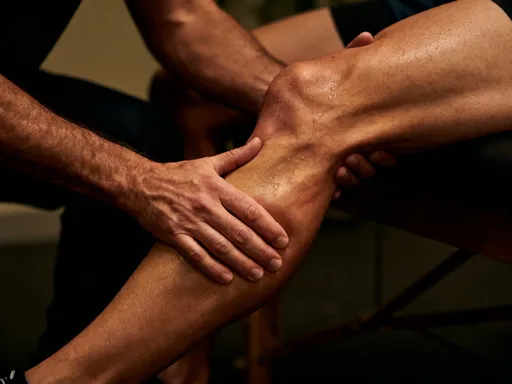
Another overlooked mistake is relying too much on passive treatments—like massage or heat therapy—without addressing the root cause. While these can provide temporary relief, they don’t build strength or correct movement patterns. Sustainable improvement comes from active engagement: moving with awareness, strengthening weak areas, and retraining the body to function efficiently. The goal is not to eliminate discomfort entirely—that’s unrealistic—but to understand it and respond wisely.
Building a Realistic, Lifelong Body Care Plan
Lasting anti-aging results come not from extreme routines but from simple, consistent habits that fit into real life. The most effective body care plans are flexible, sustainable, and adaptable to changing energy levels and schedules. Perfection is not the goal; awareness and small improvements are. The idea is to create a routine that supports the body daily, without feeling like a burden.
A good starting point is a daily mobility check—just five to ten minutes in the morning to wake up the body. This might include gentle neck rolls, shoulder shrugs, cat-cow stretches, and ankle circles. These movements improve circulation, reduce stiffness, and set a mindful tone for the day. Pair this with a habit of standing up and moving every hour if you work at a desk. Even a short walk to the kitchen or a few squats while brushing your teeth adds up.
Strength training twice a week is enough to maintain muscle mass and joint support. Bodyweight exercises like wall push-ups, glute bridges, and seated rows with resistance bands can be done at home with no equipment. As strength improves, adding light dumbbells or resistance bands increases challenge. The key is regularity, not duration—a 15-minute session done consistently is more effective than an hour-long workout done once a month.
Hydration and nutrition habits should also be integrated simply. Start by drinking a glass of water first thing in the morning, and keep a bottle nearby throughout the day. Plan one extra vegetable into each main meal, and choose whole grains over refined ones when possible. These small upgrades don’t require overhauling your diet—just making slightly better choices most of the time.
The most important element of a lifelong plan is self-compassion. There will be days when exercise is skipped, water intake is low, or convenience foods dominate. That’s normal. What matters is returning to the habits without guilt. Aging well isn’t about flawless discipline—it’s about resilience, consistency, and treating your body with care, day after day.
When to Seek Professional Guidance
While self-care is powerful, there are times when professional support is essential. Persistent joint pain, especially if it worsens with activity or doesn’t improve with rest, should not be ignored. Sudden changes in mobility—such as difficulty climbing stairs, frequent tripping, or needing to hold onto railings more than before—may indicate underlying issues that require evaluation. These are not just signs of aging; they could signal joint degeneration, nerve compression, or muscle weakness that benefits from targeted intervention.
Physical therapists, chiropractors, and certified trainers can provide personalized assessments and corrective exercises. A physical therapist can identify movement imbalances, recommend safe strengthening routines, and guide recovery from injury. A qualified trainer can help design a strength program tailored to individual needs and limitations. For women with chronic conditions like osteoporosis or arthritis, working with a healthcare provider ensures that exercise and self-care strategies are both safe and effective.
Nutritional guidance from a registered dietitian can also be valuable, especially if energy levels are low, weight is difficult to manage, or specific health concerns exist. Blood tests may reveal deficiencies in vitamin D, iron, or B12, which can affect strength, mood, and stamina. Addressing these with professional advice leads to better outcomes than self-diagnosing or relying on supplements without direction.
Seeking help is not a sign of failure—it’s a sign of wisdom. Just as regular check-ups maintain dental or eye health, professional input supports long-term body health. The goal is not to fix every ache or eliminate all signs of aging, but to ensure that the body continues to function well and safely. Professional guidance enhances personal efforts, making them more effective and sustainable.
Anti-aging isn’t about chasing youth—it’s about preserving function, comfort, and confidence over time. The real power lies not in quick fixes but in daily choices that honor your body’s needs. By shifting focus from appearance to long-term care, you invest in a future where you move well, feel strong, and age on your own terms.